

Life moves fast. Between work, family, errands, and endless notifications, it can feel like there’s never a moment to breathe. But peace isn’t something you wait for; it’s something you create, even in the middle of chaos.
Here’s how to slow down, regain clarity, and cultivate calm in your everyday life.
✣
Some links below are affiliate links. I may earn a small commission at no extra cost to you.
1. Pause Before You React
Rushing schedules, constant notifications, and the pressure to respond quickly are some of the daily struggles many of us face. Because of this, the brain’s emotional regulation system is almost overstimulated.
The prefrontal cortex, amygdala, and hippocampus work together as a network that constantly scans for safety or threat.
When the brain remains in this “alert mode,” it has difficulty signaling safety to the nervous system, making it hard to slow down even when nothing is actually wrong.
This is where intentional pauses become so important. A pause doesn’t need to be long to be effective. Even 5-15 seconds can help interrupt an automatic reaction and allow the brain to shift from stress to clarity.
In quieter moments, a single deep breath or brief prayer may be enough.
Pausing is not about perfection or silence. It is about breaking the rush-response cycle long enough for calm to return.
✣
READ MORE : 8 Healthy Habits for a Mindful New Year
✣
2. Create Micro-Rituals
Pausing is the first step, but peace deepens when those pauses become part of your daily rhythm. This is where simple micro-rituals come in.
For a long time, I filled my days with constant activity. Each completed task brought a sense of accomplishment, but by the end of the day, I was exhausted and burned out. I didn’t realize I wasn’t creating peace. I was outrunning discomfort, keeping my nervous system in a constant state of stress.
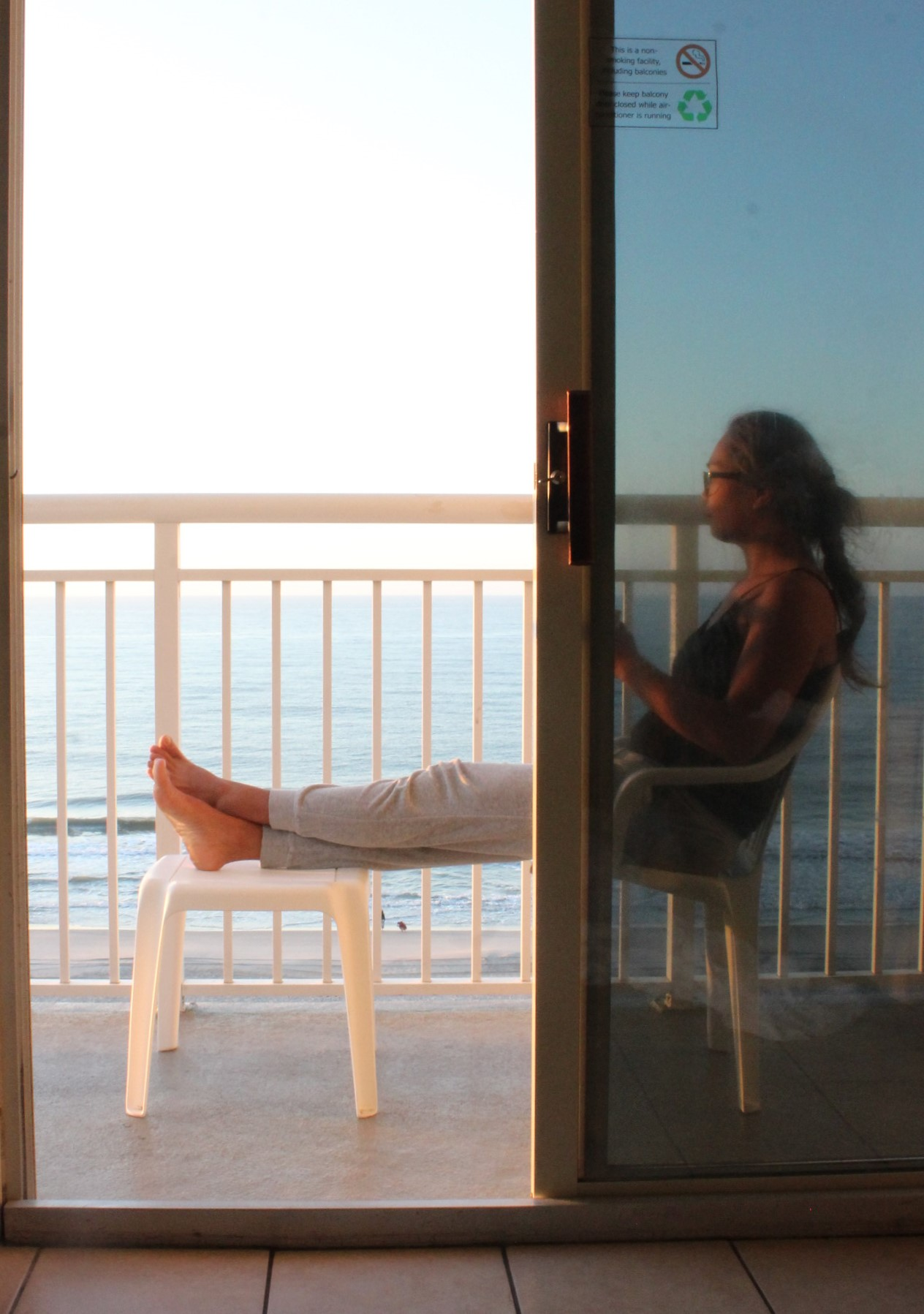
Micro-rituals changed that. By weaving small moments of stillness into my day, like a quiet cup of tea, a slow breath, or a short prayer.
I learned to find calm within the doing. Over time, my nervous system began to rest, and I discovered that peace didn’t need to be earned through productivity.
Some of the micro-rituals I lean on most include:
- Sipping tea quietly for five minutes
- Lighting a candle while journaling
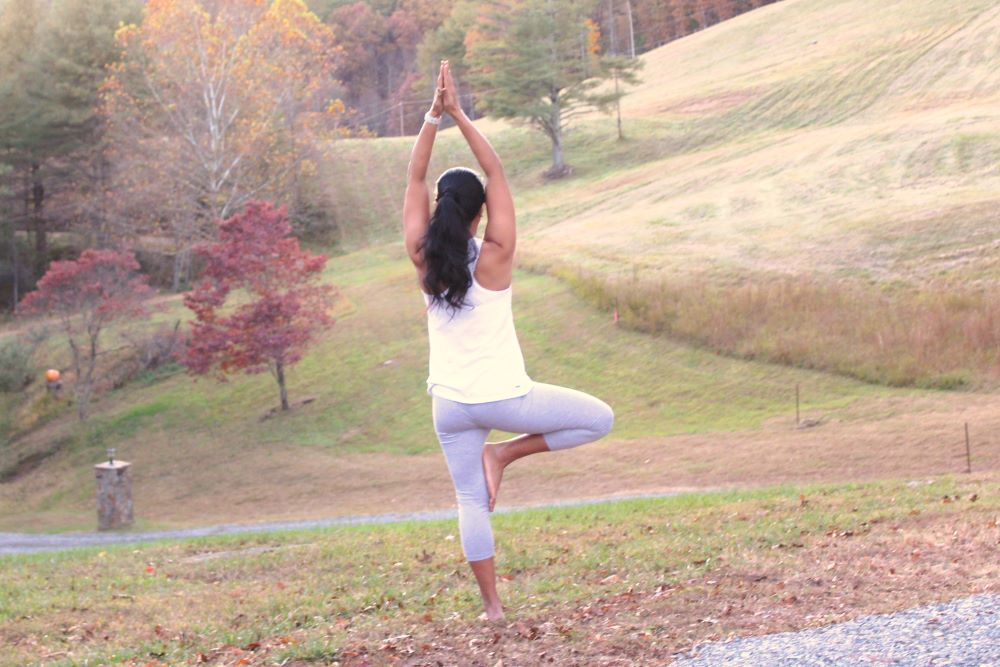
- Practicing short morning stretches or gentle yoga
To support these moments, I keep a few calming essentials nearby. My favorite herbal tea, a diffuser with soothing scents, and a comfortable yoga mat. They’re simple tools, but they help signal to my body and mind that it’s safe to slow down.
✣
READ MORE: The Ultimate Guide to Self-Care
✣
3. Organize your Space
Creating an organized, clutter-free environment supports mental focus, because our physical space often mirrors our internal state. For me, I have learned that clearing just one visible area like the entryway can instantly shift my mood.
As a stay-at-home mom, setting a small goal like wiping down the counter even if I don’t do the dishes yet or clearing out a single drawer is often enough to create that sense of calm and accomplishment.
You don’t need to tackle the entire house to feel productive. In fact, chasing dopamine through nonstop cleaning often leads to burnout.
The real trick is creating small wins. Simple. Intentional actions that bring a sense of order without draining your energy.
Quick wins:
- Clear your desk at the end of each day
- Make your bed in the morning
- Keep a “peace corner” for quiet reflection
✣
READ MORE:
Rest in God: The Sabbath and Science of Recovery
The Ultimate Guide to Holistic Living
✣
4. Set Boundaries
Ever feel like you can’t catch a break because your brain and body never get the signal to slow down? Often, it is not the sheer amount of things on your plate. It is that your energy has no boundaries to protect it.
Without boundaries, the nervous system stays in constant response mode, reacting to every request, notification, and expectation. Over time, this keeps the body stuck in stress.
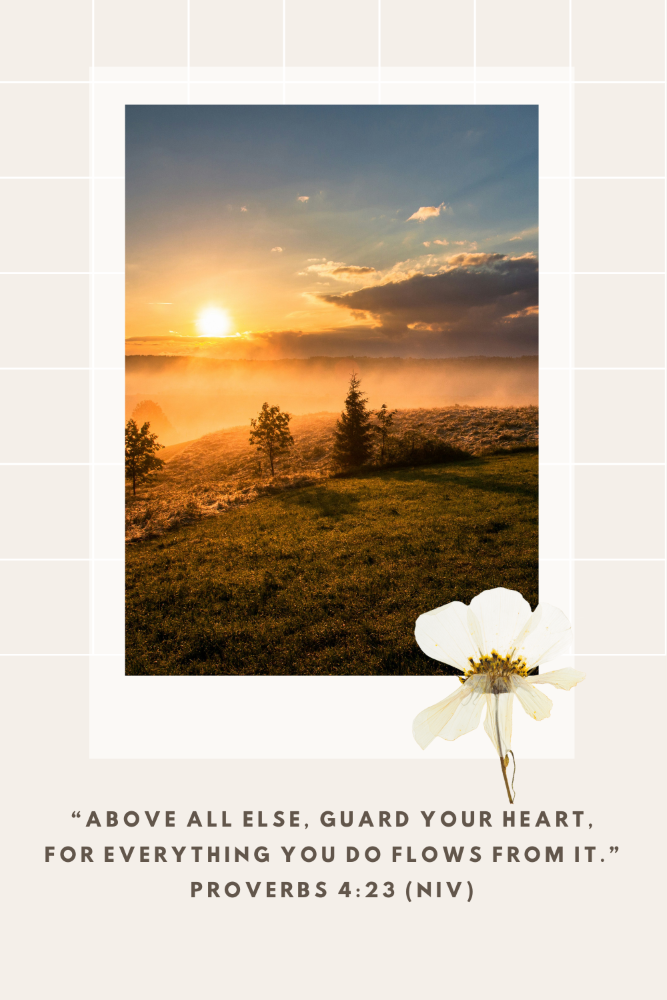
Spiritually, boundaries are acts of stewardship. They reflect the belief that your time, energy, and presence are sacred, not endlessly available.
When you honor limits, you align your nervous system with a deeper spiritual truth: you are allowed to rest, pause, and say no without guilt.
Simple Ways to Practice Boundaries
- Limit when you check messages or email
Create designated check-in times and keep your phone out of reach in between. A simple desk planner or focus timer can help reinforce this rhythm. - Pause before saying yes
Give yourself space to discern instead of reacting. Writing your thoughts in a small journal can help clarify what truly aligns before you respond. - Protect certain moments of the day for rest, prayer, or family
Mark these moments intentionally—whether with a devotional, a quiet corner, or a warm cup of tea that signals a shift from doing to being. - Choose not to engage immediately in emotionally charged conversations
Step away to regulate first. A calming practice like breath prayer, soft lighting, or reflective writing can help you return with clarity rather than urgency.
Boundaries are not walls. They are pathways to peace.
✣
READ MORE: How Faith-Based Daily Habits Help Calm the Mind and Heart
✣

5. Reconnect Spiritually
This is optional, but it is powerful.
It is easy to stay focused on what needs to be done next. The body stays tense, the mind stays busy, and the heart rarely gets a moment to breathe.
Reconnecting spiritually doesn’t mean adding another task to your day.
It means pausing long enough to remember you are not carrying everything alone.
Even in ordinary moments, whispering a quick prayer while washing dishes, taking a slow grateful breath, or sitting quietly before the day begins. These small pauses gently shift the heart from rushing to trusting.
Sometimes it helps to have something tangible to guide that pause. Beautifully designed devotional books or prayer cards can make reconnecting feel more accessible, especially on busy days when words are hard to find. They serve as gentle reminders to slow down and return to peace.
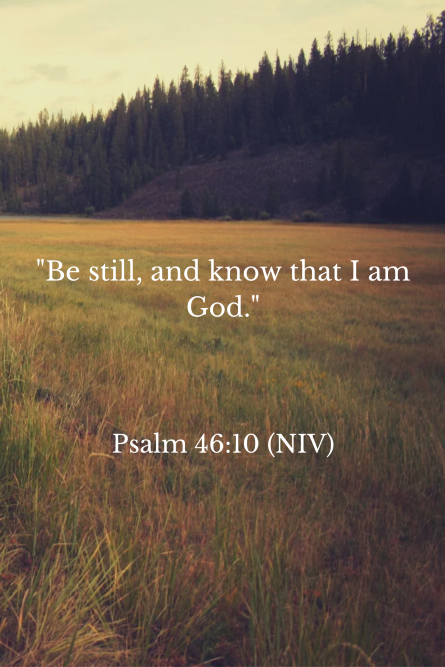
You don’t need long prayers or perfect stillness.
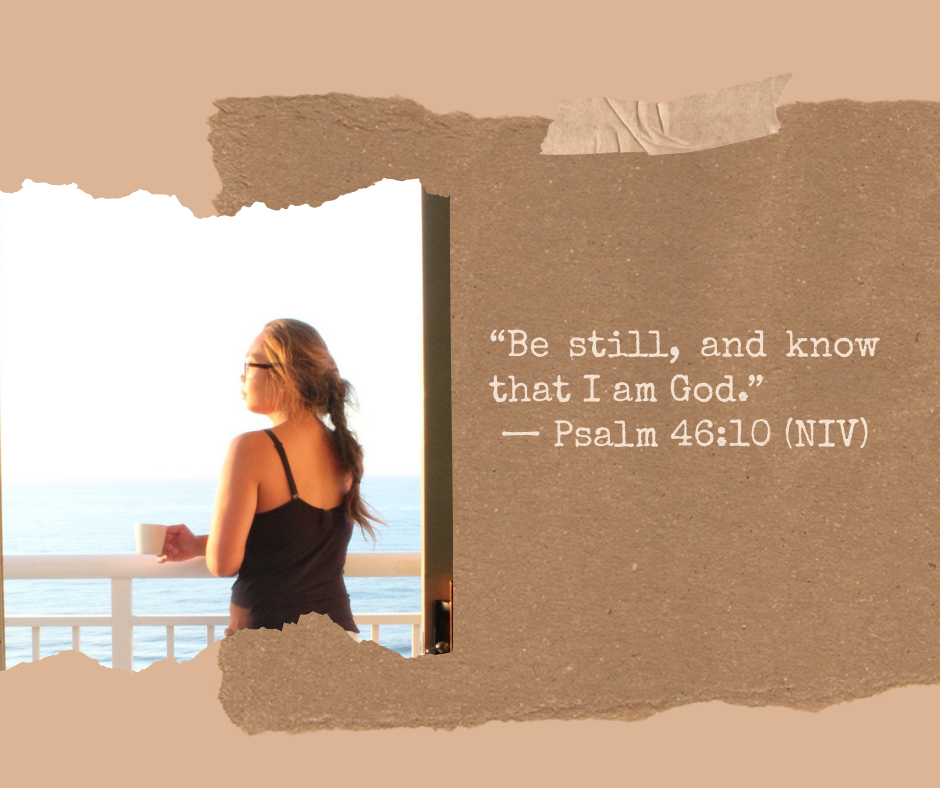
A simple verse, “Be still and know that I am God,” can act like a spiritual anchor. In the midst of busyness, pausing to consider this truth helps calm the nervous system and quiet the mind.
✣
READ MORE: The Ultimate Guide to Holistic Living
✣
✣
6. Move Your Body (Even Briefly)
When life feels rushed, the body often holds stress before the mind fully recognizes it. Tension builds in the shoulders, breath becomes shallow, and thoughts race. In these moments, trying to “think” your way into peace can feel impossible. This is where movement becomes essential.
Movement does not just burn energy. It signals safety to the brain and nervous system.
As a mother, it can feel overwhelming to hold everything at once. Caring for children, trying to prepare healthy meals, keeping our home functional, and managing the constant noise and needs. It is a lot for one nervous system to carry. Some days, even when I am doing “all the right things”, the pressure builds quietly in my body.
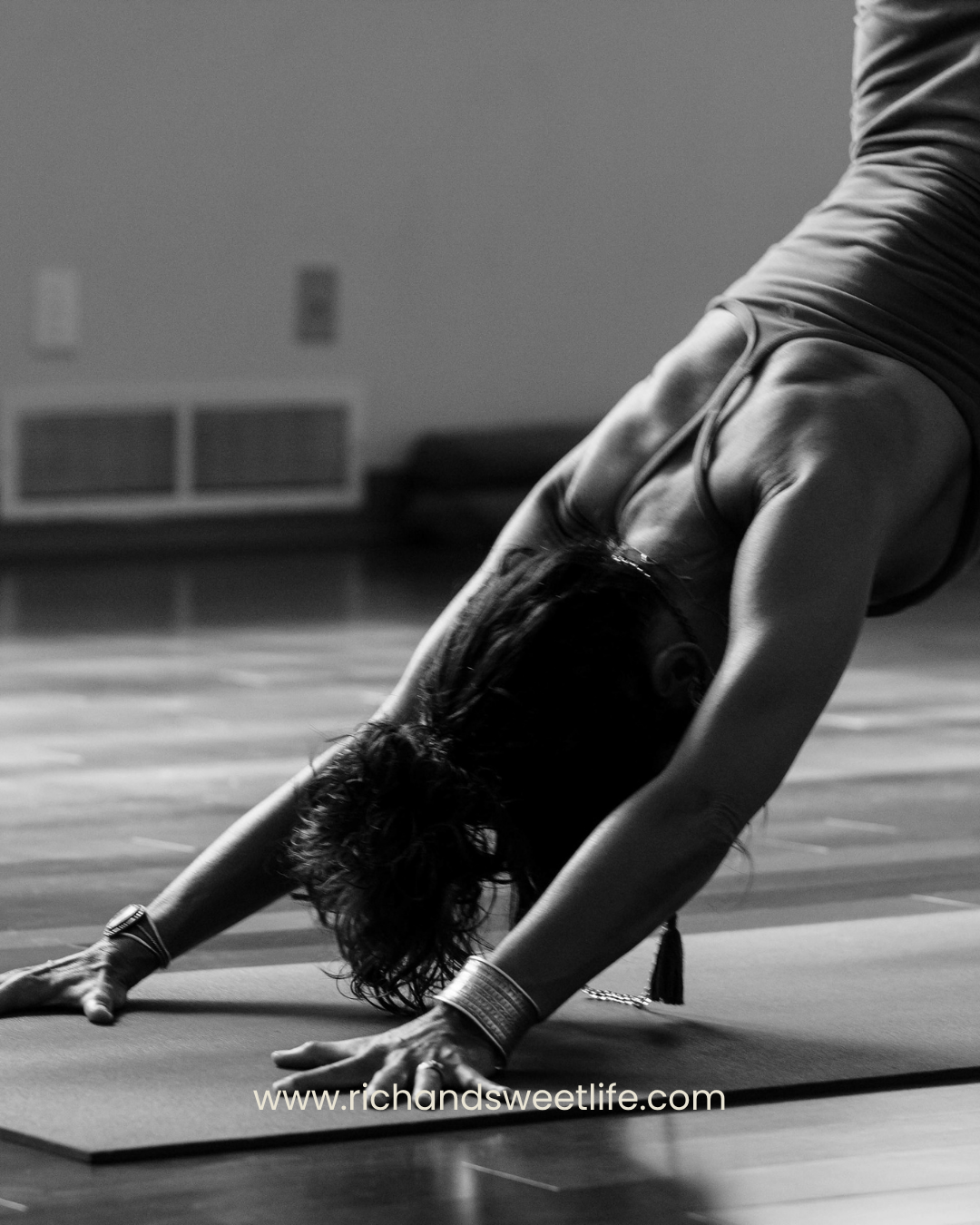
That’s when walking or gently moving my body becomes essential. Stepping outside, pacing the hallway, or stretching by a window helps release tension I didn’t realize I was holding.
Movement gives my nervous system a way to discharge stress, allowing my breath to deepen and my thoughts to slow.
It is not about exercise or productivity; it is about helping my body to feel safe again.
Simple supports like a comfortable yoga mat, light resistance bands, or reliable walking shoes make it easier for me to move consistently and with intention, especially on busy days.
✣
✣
7. End Your Day Intentionally
How we end our day matters more than we realize. When evenings are filled with scrolling, rushing or replaying unfinished tasks, the nervous system stays on alert. Ending the day with intention helps signal to your brain and body that it’s safe to rest.
This doesn’t require a long or complicated routine. Simple practices can be just as powerful:
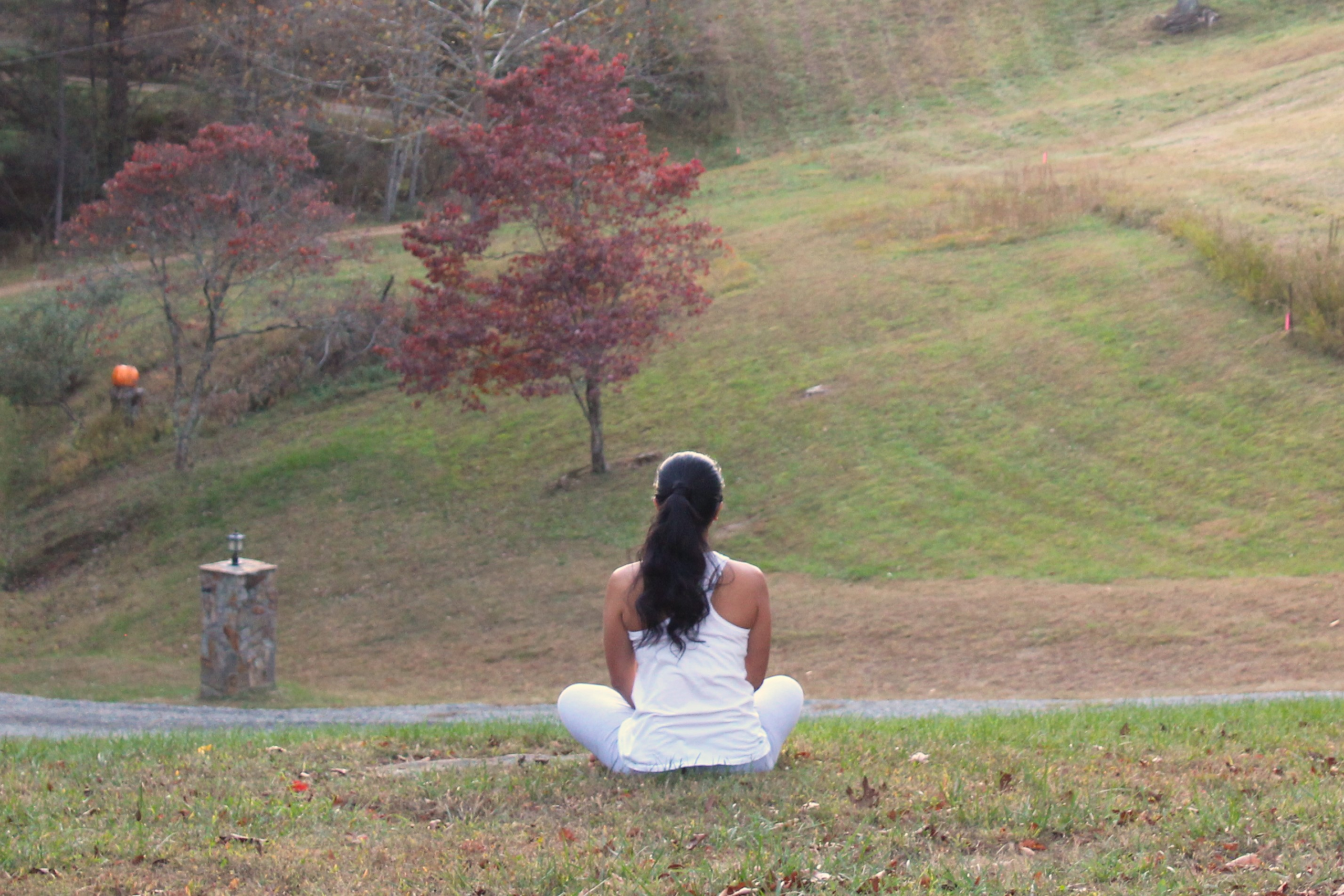
- Take a few deep breaths before bed
- Offering a short prayer of gratitude
- Writing down one thing you’re thankful for
- Turning off screens a little earlier
- Sitting in quiet for a few moments before sleep
✣
✣
As a mom, these small rituals create a gentle closing to the day. A reminder that you did enough and that it’s okay to let go.
To support this practice, I like using simple, calming touches—bath salts at the end of a long day, a candle lit while the house grows quiet, or a sleep mask when my mind needs help slowing down.
These small comforts help create a peaceful environment and turn ordinary evenings into intentional moments of calm.
Ending the day this way doesn’t mean everything is finished. It means your heart is at peace.
✣

✣
Bringing it all in
Life will always be busy. But peace isn’t about having fewer tasks, it’s about creating space within your day to breathe, reflect, and reconnect. It is found by slowing the pace in small, intentional ways and learning to care for your mind, body and spirit together.
Peace grows when the nervous system feels safe, when the brain learns, it doesn’t have to stay on alert, and when the heart remembers it is not carrying everything alone.
Peace does not require ideal circumstances or long stretches of quiet. It is built slowly, through small acts of awareness, trust, and care. Even in the middle of a busy home, a full schedule, or a long day, peace is still possible.