

Have you ever stopped and asked yourself, “What would it take to truly feel well every single day?”. For me, I have found that real, lasting health always comes back to three powerful pillars: diet, lifestyle, and mind-body balance. These may sound simple, but together they form the foundation of a vibrant life. When you nourish your body with foods that fuel you, create daily habits that bring more energy and calm, and take time to care for your mental and emotional well-being, everything starts to shift. Self-care is not just about managing symptoms; it is getting to the root of what your body and mind really need.
Here’s my guide to making small, intentional changes that can lead to big, lasting results.
1. Self-Care Through Nutrition: Nourish to Flourish
When it comes to self-care, your food choices are some of the most impactful decisions you make daily. Every bite and sip send a message to your body, shaping how you feel, function and thrive. Food fuels your body, and your energy levels depend on both the quality and timing of what you eat. Nutrient-dense whole foods such as fruits, vegetables, whole grains, lean proteins, and healthy fats provide a sustained release of glucose, the body’s main fuel. These foods help regulate blood sugar levels, reducing the risk of energy spikes and subsequent crashes commonly associated with highly processed or sugary meals.
We all know how important it is to drink plenty of water each day. After all, water sustains life. While the general guideline is to drink six to eight 8-ounce glasses daily, your actual needs depend on your body weight. A good rule of the thumb is to aim to drink half of your body weight in ounces of fluid each day. For example, if you weigh 200 pounds, your goal should be around 100 ounces of fluids. Prioritize water, but you can also include unsweetened, all-natural seltzer, herbal teas, broths, soups, and hydrating fruits like cucumbers, melons, and oranges to help meet your daily intake.
Meal prepping can be a powerful part of your holistic lifestyle. The key is to find the rhythm that works for you. Start small and be patient with yourself.
Finding a wellness system that fits your life is key, and from there, your healthy habits can grow naturally. A holistic lifestyle isn’t built overnight; it is shaped by steady, thoughtful steps that lead to lasting change. Begin each morning with gratitude for the simple, sustainable choices you’re making. Then nourish yourself with a fiber-rich breakfast to set a grounded tone for the day ahead. Think of it as a daily ritual that supports your energy, focus and overall wellness, rather than something to check off your to-do list. And remember to embrace flexibility – on some days, your morning might just be a quiet pause to breathe in calm and let go of stress. When you create a rhythm that feels good and sustainable, you’re choosing a rich and sweet life – one rooted in nourishment, ease, and joyful intention.
2. Self-Care Lifestyle That Sustains You
Lifestyle is more than just a roadmap for your daily routine. It is the inner compass that guides how you spend your time, where you direct your energy, and the choices you make along the way. From how you move your body and nourish it, to how you rest, work, connect, and show up in relationships. Every decision contributes to the bigger picture. And at the heart of it all is in intention. The mindset behind your actions is what ultimately shapes your lifestyle into something meaningful, fulfilling, and uniquely your own.
An intentional lifestyle is not an overnight process. It is shaped by small changes that create more changes that over time redefines your approach to living well. To truly create lasting impact, the key is to focus on the core pillars that make the biggest impact.

Start with the essentials
Sleep is one of those things we often take for granted, but it plays a vital role in nearly every aspect of our health and well-being. Research shows that while the human body can survive for up to 30 days without food (with hydration), total sleep deprivation becomes life-threatening in just 10-11 days. Studies like the famous 1964 Randy Gardner experiment showed severe cognitive and physiological impairments after only a few days without sleep. Chronic sleep loss has also been associated to weakened immunity, hormonal imbalances, memory issues and increased risk of conditions like heart disease and diabetes.
The good news is, there are simple ways to improve the quality of your sleep. Create a calming evening ritual with soothing elements like herbal tea, journaling, or a few minutes of deep breathing to ease your mind. Dim the lights, unplug from screens at least an hour before bed and keep a consistent sleep schedule. These helps signal to your body that it is time to wind down, reduces blue light exposure, and promotes deeper, more restful sleep.
Getting some natural light during the morning can also help reset your internal clock for better, deeper sleep. Your nighttime routine sets the stage for the next day, preparing your brain to reset and recharge. When you wake up in the morning, get your body moving with just 3 minutes of light activity like stretching, a quick yoga flow, or even squats while brushing your teeth.
Once a week, do a quick “Sunday Sweep” by tidying surfaces, clearing the fridge, and prepping one or two things to make the week smoother. By having rituals that bookend your day, both in the morning and at night, you are creating a powerful act of self-care that supports your well-being and consistency.
At the heart of quality sleep and overall well-being in the power of slowing down. In giving yourself the permission to pause, to rest, and to move with intention, you begin to embrace the rhythm that supports your well-being on every level. When you slow down, you are stepping into the alignment with what your body and mind need.
Prioritizing sleep, mindful movement, nourishment and digital boundaries are foundational elements that influence your energy, mindset and overall well-being. By tending to these areas first, you create a strong, sustainable base for deeper lifestyle changes to grow.
3. Mind-Body Self-Care Practices for Lasting Balance
Achieving balance between your mind and body is key to true wellness, yet in today’s fast paced world, it can often seem difficult to find. Mind-body wellness practices offer powerful tools to help you reconnect, reduce stress, and nurture both your mental and physical health. This is especially important because stress doesn’t just affect how you feel. It has a direct impact on your overall health which influences everything from your immune system to your heart function.
By making small, consistent changes to how you respond to daily pressures, you can build resilience and feel more in control.
Here are a few practical tips to get you started:
Understanding this stress-health connection is the first step toward managing stress effectively and protecting your well-being. Chronic stress triggers the release of hormones like cortisol, which, over time, can weaken your immune system, increase blood pressure, disrupt sleep, and contribute to anxiety and/or depression. Managing it through breathwork, meditation, journaling, and emotional regulation can make a powerful difference. Recognize your triggers and adopt strategies like mindful breathing. Just a few deep breaths can help you reset. Remind yourself that everything doesn’t have to be perfect.
Create a self-care toolkit filled with practices that support your mental well-being. This might include calming routines, comforting rituals, or go-to affirmations. Supporting your nervous system with grounding techniques like walking in nature, stretching, or gentle movement helps bring your body back into balance. Even small shifts can calm your mind and make your day feel more manageable.
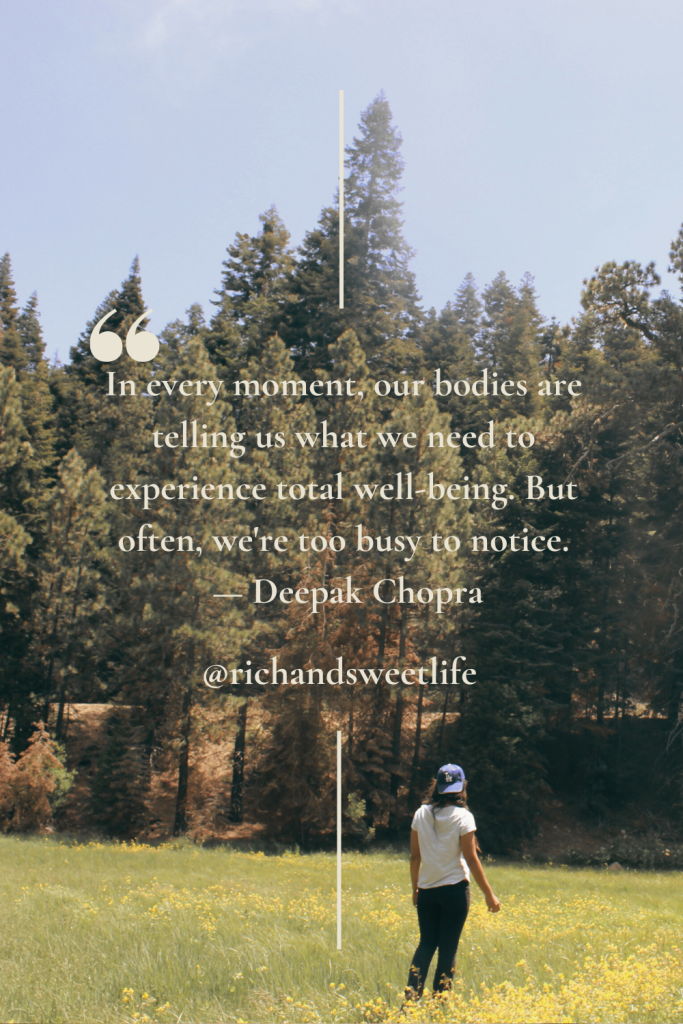
4. Personalized Self-Care: Make It Yours
While there are many proven techniques for managing stress, the most effective approach is one that feels natural and supportive to you. That’s where personalized self-care comes in. By tuning in to what your body and mind truly need. Whether it is quiet time, movement, creativity, or connection. You can create a routine that genuinely helps you feel better, rather than simply adding more to your to-do list.
Understanding your own needs and energy level starts with slowing down and paying attention. Notice when you feel drained versus energized, what were you doing, who were you with, and how did it affect you? Keep a simple journal or use a notes app to track patterns in your mood, focus, and physical energy. Overtime, you’ll start to see what supports you and what doesn’t, making it easier to choose what truly nourishes you day to day.
As you get clearer on what works for you, it becomes easier to let go of guilt or comparison. Your self-care doesn’t have to look like anyone else’s. It is not about doing it all perfectly. It is about honoring what you need without judgement. When you release the pressure to meet outside expectations, you create space for a more compassionate, sustainable self-care practice that fits your life.
When you commit to a self-care practice that fits your lifestyle, it is important to remember that self-care isn’t one-size-fits-all. What nourishes you today might look very different in another season of your life. For busy moms juggling endless tasks, self-care might be stolen moments of quiet or simple breathwork. For busy dads, it might mean carving out time for movement or connection with loved ones. Creatives often find renewal through playful expression, while healers may need grounding rituals to replenish their energy.
Recognizing self-care evolves with your roles, responsibilities, and rhythms allows you to adapt your practices so they truly support you no matter the chapter you’re in.
5. Holistic Habits for Daily Support
Introducing holistic wellness into your life brings joy and empowerment as you connect with your body, mind, and spirit in more intentional ways. It encourages you to listen deeply to your inner rhythms, nourish yourself with purpose, and find balance in everyday life. Whether it’s through mindful movement, nourishing foods, restful sleep, or meaning connection, holistic wellness invites you to care for yourself as a whole-being and not just to fix what feels off, but to thrive.
Often, it starts with small daily practices that quietly build momentum like sipping herbal tea, taking a walk in nature, or enjoying screen-free moments of calm. Over time, these gentle habits create a strong foundation for well-being.
In addition to daily care, weekly rituals such as meal planning, tidying your space, or embracing a Sunday reset can help you stay grounded and organized. And once a month, taking time to check in with your body, revisit your goals, and listen to your inner voice can bring clarity and renewal.
Holistic wellness is not about doing more, it is about doing what truly supports you, in every season of life.

6. Self-Care on Hard Days
Some days might feel like it is too much. Whether you’re navigating stress, sadness, exhaustion, or burnout, there are moments when even the smallest tasks feel overwhelming. On these hard days, self-care isn’t about perfection or productivity. It is about presence and allowing yourself to be exactly where you are.
From a holistic perspective, your body is designed to function as an interconnected whole. Each system supporting the next. Your nervous system keeps you alert and responsive, your digestive system transforms nourishment into energy, your immune system protects and heals, and your emotional body processes your inner world. In balance, you feel energized, grounded, and whole. Chronic stress emotional overload, poor sleep, nutrient depletion, and disconnection from nature can weaken your body’s natural rhythm. This is where burnout, sadness, and fatigue begin to creep in.
Yet even in these moments, your body is not broken. It is communicating. Slowness, tiredness, or lack of motivation are not signs of weakness. They are messages asking for care. And one of the most remarkable aspects of nature is its ability to nurture and heal the human body. Whether it’s a calming scent of lavender, the grounding minerals in a warm bath, forest bathing, or the nourishment of whole, seasonal foods. Nature meets you exactly where you are and gently begins to restore what has been depleted.
On days when you don’t feel like doing anything, that’s okay. There are ways to care for yourself that require very little energy but offer deep support.
Gentle minimalist self-care might look like this:
- Lying down with a cup of warm tea
- Sitting by a window and breathing slowly
- Taking a nourishing shower
- Listening to calming music or nature sound
- Letting yourself cry without any judgement
Creating a “low-energy day” self-care plan can be incredibly empowering. It gives you permission to pause, rest, and receive support in ways that don’t overwhelm you. Think of it as your personal toolkit for hard days- filled with soft clothes, comforting food, calming scents, supportive words, and small rituals that remind you: you are held.
Above all, let this be your reminder:
- It’s okay to rest.
- It’s okay to receive.
- It’s okay to pause.
Healing doesn’t always happen in grand gestures. It often begins in the quiet, gentle moments when you choose to honor yourself just as you are.
A Life Built on Self-Care
When we begin to see self-care not as an emergency response to burnout but as a daily rhythm or a lifestyle, we start to build a life that feels richer, more grounded, and deeply nourishing.
A growing body of research now points to the root of many modern health issues, especially in younger generation, as stemming from what some experts call “Nature Deficit Disorder”. This term reflects the growing disconnection from green spaces, unstructured outdoor play, and the soothing, balancing effects of being in the natural world. When we are cut off from nature, we are also cut off from ourselves. Reconnecting with the earth, slowing down, and honoring our basic needs is not just comforting. It is essential for our healing.
At the essence of holistic wellness are the three core pillars:
· Diet – choosing foods that nourishes your body, support your gut, and calm inflammation.
· Lifestyle – embracing natural rhythm, creating space for rest, joy, movement, and connection.
· Mind-Body Balance – tending to your emotional world, supporting your nervous system, and cultivating inner peace through mindfulness, nature, and spiritual practices.
Self-care doesn’t need to be complicated or time-consuming. Start small. Light a candle in the morning. Take your shoes off and stand on the grass. Make a nourishing meal this week. Choose rest without guilt. The key is consistency and willingness to listen inward. Your body knows what it needs. Your job is to get quiet enough to hear it.
If you’re not sure where to begin, here are a few simple journal prompts to help you tune in:
· What does my body need today?
· Where am I holding tension, and how can I soften?
· What small, loving act can I offer myself right now?
· How can I reconnect with nature this week?
· When was the last time I felt truly rested?
And for those visual learners, you can download this printable self-care checklist to build your own “low-energy day” or everyday wellness plan. It is a gentle guide for when you need support the most.