

Some links below are affiliate links. I may earn a small commission at no extra cost to you.
As the year winds down, I always find myself taking a moment to pause and reflect. On the joys, the challenges, and all the little moments in between. Spiritually, emotionally, and even physically, this season seems to gently nudge us to slow down and check in with ourselves.
Instead of letting the end of the year rush by in a blur, I like to turn this time into a little sacred pause. A chance to refresh my heart, my home, and my sense of peace before stepping into a new year.
I have found that combining scripture with simple, science-backed practices makes preparing for the year ahead both meaningful and doable.
Here are 10 ways to refresh your heart and home and step into the new year with calm, clarity, and intention.
✣

1. Release What You’re Carrying (Emotionally + Spiritually)
This past year may have brought some wins, challenges, and maybe even heavy moments that you’re still carrying. I know I’ve felt that weight at times. God gently reminds us that we don’t have to carry it all into the new year. He wants us to let go and find rest in Him.
Science Insight:
There’s a simple trick called “name it to tame it.” When we put our feelings into words, like journaling or talking them out, it helps the prefrontal cortex (our thinking brain) take the lead instead of the amygdala (our stress/fear center). Naming emotions gives your brain a chance to process them calmly instead of reacting impulsively, helping you feel lighter and more in control.
Try this:
-
- Take a few minutes to journal your feelings, letting it all out on paper. I personally love using this guided journal because it makes the process feel intentional and calming.
-
- Pray over what you want to release, even the small, nagging worries.
-
- Pause for a few deep breaths, imagining yourself letting go of what no longer serves you.
✣
2. Reflect on the Year with Gratitude
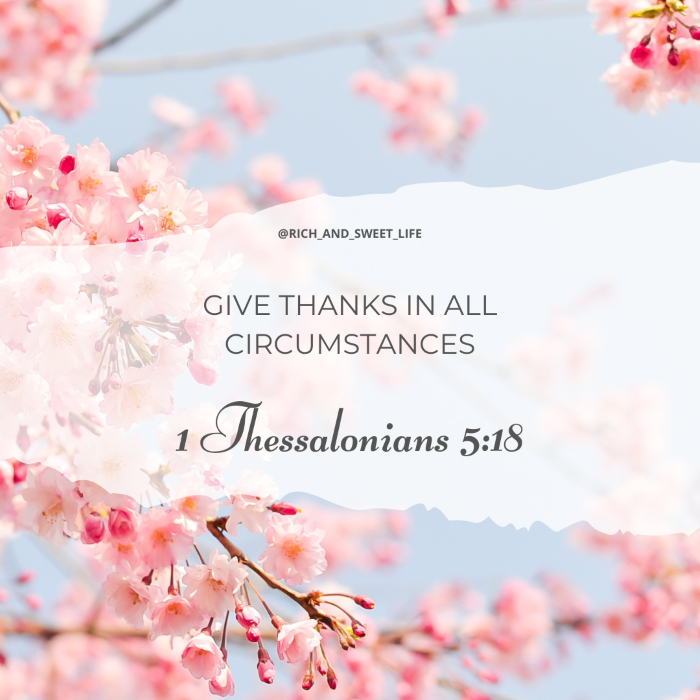
Before the year ends, I like to sit quietly and look back at everything. The wins, lessons, and even the struggles. Focusing on gratitude shifts my perspective and reminds me of God’s presence throughout the year.
Science Insight:
Gratitude does more than warm the heart. It actually changes the brain. Practicing gratitude activates the prefrontal cortex (helping us reflect and regulate emotions) and boosts dopamine and serotonin, our “feel-good” chemicals, while calming the amygdala, which drives stress and fear. Over time, this rewires our brain to support happiness, resilience, and emotional balance, making even small daily gratitude practices powerful.
Try this:
- Make a list of 10 things you’re grateful for this year.
- Keep a gratitude journal handy—here’s one journal I love
- Share a note of thanks with someone who impacted your year.
✣
Read More : 5 Gentle Daily Habits That Support a Calm and Healthy Life
✣
3. Set Boundaries to Protect Your Peace
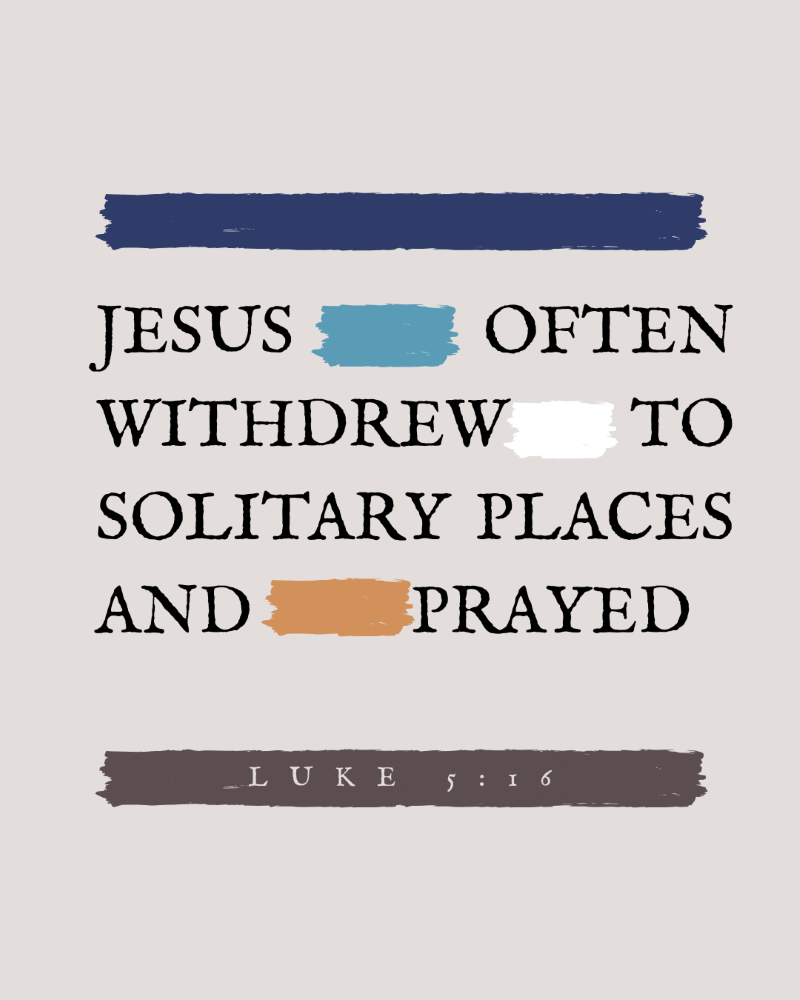
Your peace matters. Jesus modeled stepping away from noise, expectations, and crowds. I have learned that protecting my peace is essential, especially during busy seasons. Sometimes that means saying “no” to extra commitments or stepping back from things that drain my energy. Giving yourself this permission can make life feel calmer, more manageable, and less overwhelming.
Science Insight:
Setting boundaries reduces the number of decisions and demands on your brain, preventing decision fatigue. When your mind isn’t overloaded, you think more clearly, feel less stressed, and can focus on what truly matters.
Try this:
- Schedule quiet blocks in your calendar for yourself.
- Limit social media or screen time during hectic days.
- Politely decline obligations that don’t align with your priorities. I like using this planner to help plan my week and protect my time.

4. Declutter Spaces That Affect Your Mood Most
A tidy home can feel like a tidy mind. But I know for busy moms, whether you’re juggling work, kids, or running a household full-time, keeping everything perfectly organized all the time is impossible.
The good news? You don’t need a spotless home to feel calmer and more focused. Even small, intentional actions like clearing your entryway, decluttering a countertop, or putting away toys for just 10 minutes can create little pockets of peace that make a big difference in your mindset.
Science Insight:
Our brains are constantly processing visual information, and clutter adds extra “noise,” increasing cognitive load and activating the amygdala, the part of your brain that triggers stress. When you create even small areas of order, your prefrontal cortex can function more efficiently, helping you think clearly, make decisions more easily, and feel calmer.
Try this:
- Spend 10-15 minutes decluttering small area each day.
- Use baskets or bins to corral items quickly. I love these storage bins for keeping things organized.
- Donate and recycle items you no longer need, even in small batches.
Read More: 8 Healthy Habits for a Mindful New Year

5. Refresh Your Prayer or Meditation Space
I have found that having a small, intentional space for prayer and quiet reflection can make a huge difference, especially when life feels busy and chaotic. Even for moms juggling work, kids, or household tasks, carving out a little corner of calm can help you reset, recharge, and connect with God. You don’t need a perfect space, just a spot that invites stillness, even if it’s a chair in the window or a small basket with your Bible and journal.
Science Insight:
Creating a dedicated quiet space helps your brain switch from a stress-driven mode to a rest-and-reflect mode. Your prefrontal cortex becomes more active, improving focus, self-regulation, and problem-solving, while your amygdala activity decreases, reducing stress and anxiety. This simple ritual strengthens emotional resilience and helps you approach the day with more calm and clarity.
Try this:
- Add a candle, blanket, or diffuser to make the space inviting. I love this calming diffuser
- Keep a journal or a Bible handy for reflection or prayer.
- Set aside just 5-10 minutes each day to sit quietly, breathe deeply, and reconnect with God.
6. Organize Your Digital Life
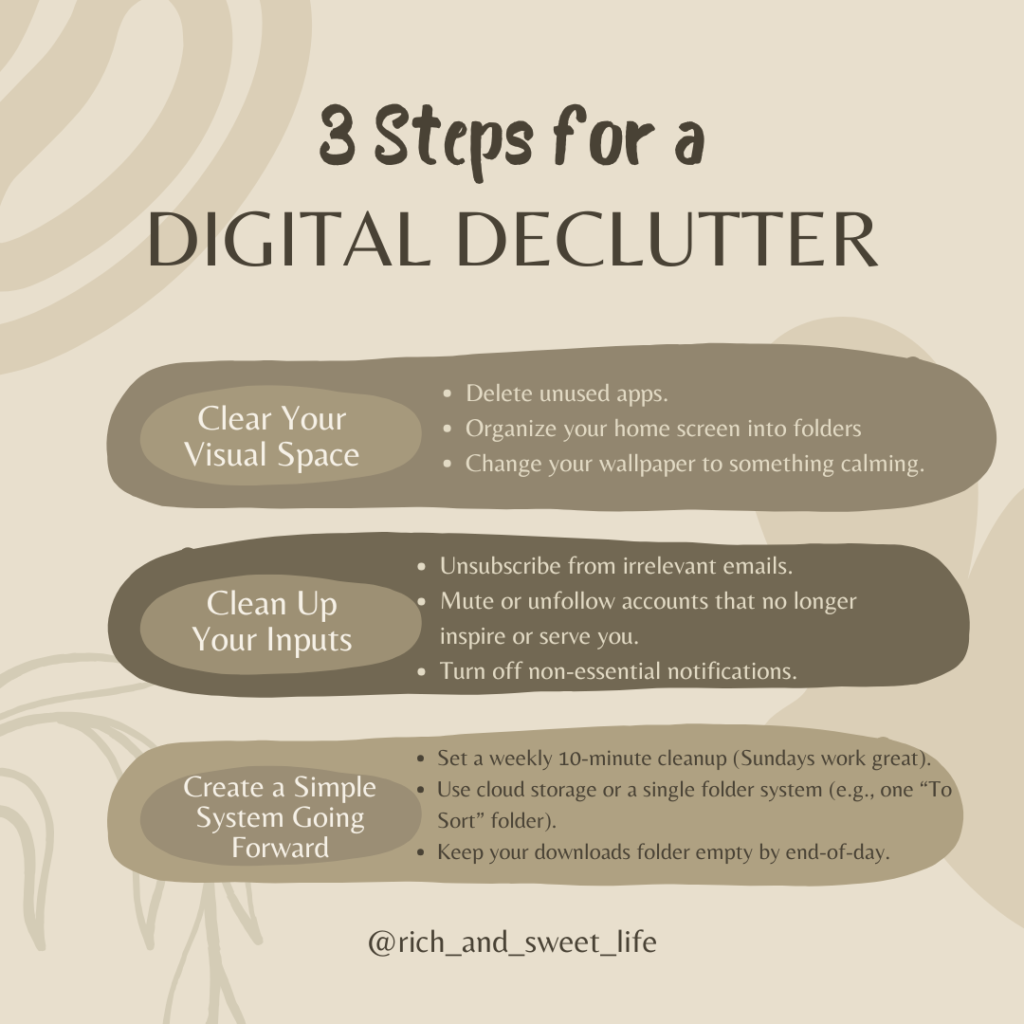
As a mom, it’s easy for digital clutter to pile up — emails, photos, apps, and notifications can feel overwhelming. I’ve noticed that when I take a little time to organize my digital life, I feel calmer, more focused, and less mentally scattered, even on busy days.
Science Insight:
Like I mentioned in the previous tip about decluttering physical spaces, digital clutter also adds cognitive load, forcing your brain to work harder to filter distractions. This overload can trigger your amygdala, increasing stress, while organizing your digital environment allows your prefrontal cortex to work more efficiently, improving focus, decision-making, and emotional balance.
Try this:
- Spend 10–15 minutes decluttering your inbox and deleting unused apps.
- Organize photos into folders or cloud storage so you can find what you need quickly.
- I like using this digital organization tool to streamline everything and reduce daily stress.

7. Nourish Your Body with Simple, Restorative Habits
Science Insight:
Caring for your body doesn’t just feel good — it changes your brain and nervous system. Proper sleep, nutrition, and hydration regulate hormones, boost serotonin and dopamine, and reduce cortisol, our stress hormone. This helps improve mood, focus, and resilience, making it easier to handle daily challenges with calm and energy.
Try this:
- Drink plenty of water — I love this insulated water bottle to stay hydrated throughout the day.
- Choose simple, nutrient-rich meals that fuel your energy.
- Prioritize rest: even a short nap or going to bed earlier can reset your nervous system and boost focus.

8. Create Moments of Joy and Play
Life can feel busy, stressful, and full of responsibilities. I’ve found that intentionally creating little moments of joy—whether it’s dancing around the kitchen, enjoying a quiet cup of tea, or laughing with friends — can lift your spirit and recharge your energy. Even small, playful moments make a big difference in how I approach the rest of my day, and when you make them a regular habit, they help cultivate lasting positivity and resilience.
Science Insight:
Joy and play trigger the release of dopamine and endorphins, chemicals that improve mood, reduce stress, and even support immune function. Making playful, positive experiences a habit also engages the prefrontal cortex, helping you regulate emotions and respond to challenges with calm and creativity instead of frustration.
Try this:
- Schedule 10–15 minutes of playful activity each day — dance, coloring, or a hobby you enjoy.
- Keep a small box of creative supplies or games handy — I love this art kit for easy, stress-free fun.
- Treat yourself to a small indulgence that brings happiness, like a favorite snack, cozy tea, or a relaxing moment with a book.

9. Clarify Your Vision for the Year Ahead
There’s something powerful about pausing at the end of the year and asking yourself, “What do I truly want this next season to look like?” I have learned that when I take a little time to reflect even just 10-15 minutes with a journal in hand, I step into the new year feeling centered instead of overwhelmed.
Getting your intentions on paper does not need to be perfect or elaborate, it just needs to be honest and from the heart.
Science Insight:
Setting clear intentions activates the brain’s dopamine reward system, which boosts motivation and helps you follow through. It engages the prefrontal cortex. This means your brain becomes more focused and aligned with what matters most. That’s why people who write down goals or visions are far more likely to achieve them. Your brain begins organizing itself around what you want.
Try this:
- Set aside a quiet moment with your journal. I personally love using this simple guided journal to help spark clarity.
- Write down 3-5 intentions or themes for your upcoming year (not goals, just the direction you want your heart and home to move in).
- Ask God to guide your desires and bring alignment to your plans, trusting that He shapes each new season with purpose.
Read More: Sabbath and Science of Recovery
10. Create Space for Rest and Sabbath Moments
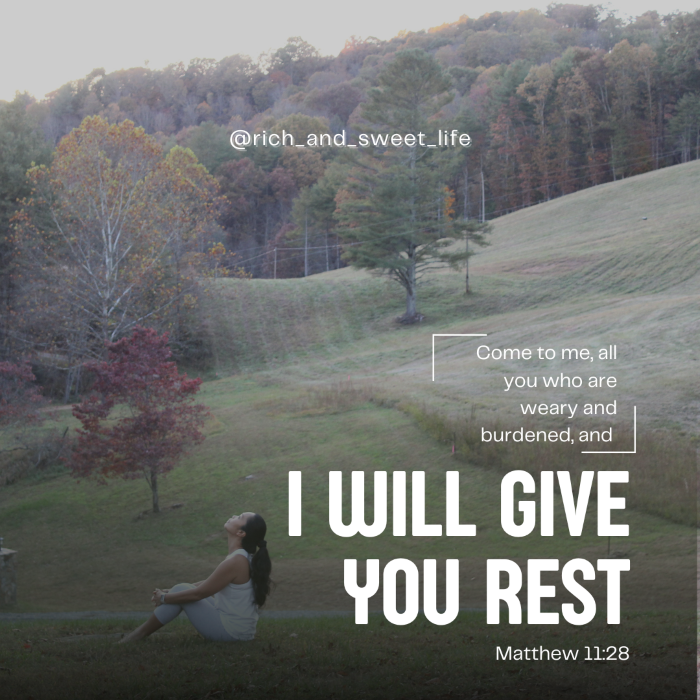
As the year ends, it is tempting to push harder. Finishing tasks, planning, organizing, and staying in constant motion. But I’ve noticed that when I carve out intentional moments of rest, even just a quiet morning or a slow afternoon, my mind and body reset in ways that hustle never could.
Rest is not laziness, it is a holy rhythm that prepares you for what’s ahead.
Science Insight:
Rest allows your nervous system to shift from “fight-to-flight” (sympathetic mode) into “rest-and-digest” (parasympathetic mode), lowering cortisol and calming the body. Even short moments of stillness help the brain’s default mode network reset, improving creativity, emotional regulation, and clarity. Regular restorative breaks also prevent burnout, allowing your prefrontal cortex to stay sharp and focused.
Try this:
- Create simple sabbath moment each week – light a candle, play worship music, or relax with this cozy blanket
- Set boundaries around your downtime: turn off notifications or put your phone in another room for at least 30 minutes.
- Choose one restful ritual you genuinely enjoy: a warm bath, a gentle stretch, or reading your favorite devotional or book.
Feeling inspired to start preparing your heart and home for the new year? I created a simple, printable checklist to help you put these steps into action. One calm, intentional moment at a time.