
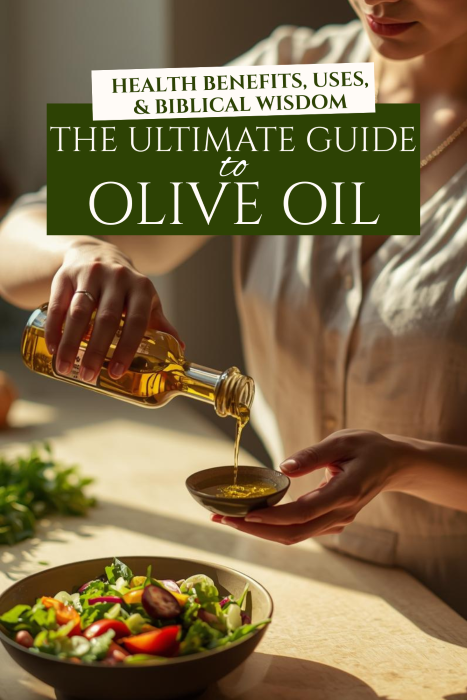
Olive oil has always been more than just something I drizzle over salads or use in cooking.
For me, it is a reminder of history, faith, and health, all in one simple bottle.
Today, we know that high-quality extra virgin olive oil can:
- Support heart health
- Fight inflammation
- Protect brain function
- Improve digestion
- Nourish skin naturally
From ancient Scripture to modern kitchens, olive oil
carries both spiritual symbolism and physical wellness benefits.
Here’s a complete guide to enjoying olive oil for both body and spirit.
Some links below are affiliate links. I may earn a small commission at no extra cost to you.
✣
✣
What is Olive Oil?
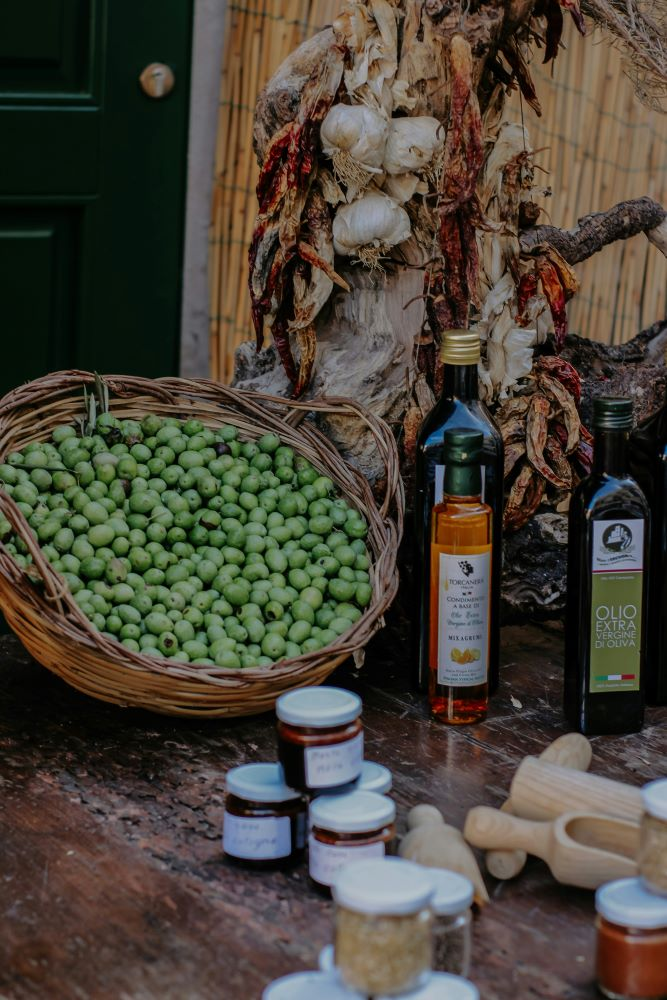
Olive oil is a natural fat pressed from the fruit of the olive tree, a staple of Mediterranean life for thousands of years.
More than just a cooking oil, it has historically been used for:
-
Food and nourishment
-
Medicine and healing
-
Skincare and beauty
-
Sacred rituals
Nutritionally, olive oil is rich in:
-
Heart-healthy monounsaturated fats
-
Polyphenols (powerful antioxidants)
-
Vitamin E
-
Anti-inflammatory compounds
It’s not just a pantry ingredient, it’s a true whole-body wellness staple.
✣
Olive Oil in the Bible:
A Symbol of Blessing
Throughout Scripture, olive oil symbolizes abundance, healing, and divine presence.
In the Old Testament, the Promised Land is described as flowing with “olive oil and honey” (Deuteronomy 8:8), representing provision and blessing.
Olive oil was used to:
-
Anoint kings and prophets (1 Samuel 16:13)
-
Fuel temple lamps (Exodus 27:20)
-
Symbolize peace through the olive branch (Genesis 8:11)
The olive tree itself reflects God’s character:
-
Deep roots → steadfast faith
-
Long life → covenant faithfulness
-
Slow fruiting → patient growth
-
Generational inheritance → enduring blessing
It is a living picture of resilience, provision, and spiritual light.
✣
Read More: Daniel Fast | The Science Behind Plant-Based Eating
✣
Health Benefits of Olive Oil
From the pages of Scripture to today’s kitchens, olive oil continues to nourish both body and spirit. While Scripture highlights its symbolic power, science shows it’s much more than a flavorful ingredient.
Studies show it’s incredibly good for your body. Here’s why:
-
Heart Health
Extra virgin olive oil (EVOO) helps reduce bad LDL cholesterol while boosting good HDL cholesterol, lowering the risk of heart disease. Its anti-inflammatory properties also support overall cardiovascular health. A harvest-dated EVOO is rich in antioxidants
-
Anti-Inflammatory and Antioxidant Effects
Olive oil is packed with polyphenols and vitamin E, which help fight oxidative stress and inflammation in the body—a key factor in preventing chronic diseases.
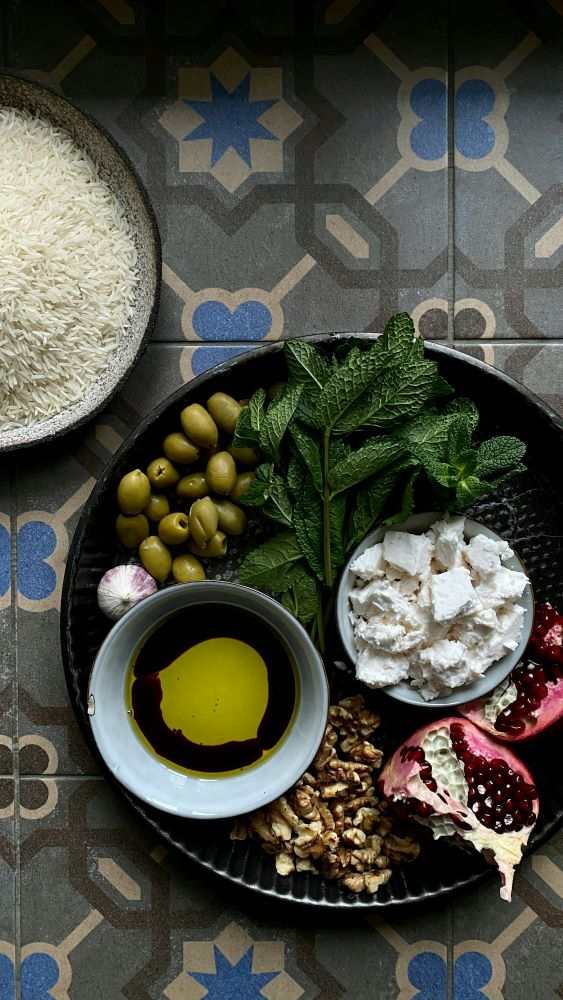
Most research suggests about 1-2 tablespoons of olive oil per day can provide health benefits, especially for heart health. This amount fits well into salads, cooking, or drizzling over vegetables and grains.
-
Brain and Cognitive Health
Studies suggest that regular consumption of high-quality EVOO can help protect the brain by reducing oxidative stress, inflammation, and plaque buildup while supporting healthy neuron function. These effects together may lower the risk of cognitive decline and Alzheimer’s.
-
Digestive Health
Olive oil supports digestion thanks to its healthy monounsaturated fats and polyphenols like hydroxytyrosol and oleuropein. These compounds reduce gut inflammation, act as prebiotics to nourish beneficial bacteria, and help keep digestion smooth and regular.
-
Skin and Beauty Benefits
Olive oil is a natural beauty booster, rich in vitamin E, squalene, and polyphenols that protect the skin from aging and dryness. Its healthy fats help strengthen the skin’s barrier, lock in moisture, and support a smooth, radiant complexion.
Read More: The Ultimate Guide to Holistic Living
✣
Types of Olive Oil
(And Which One Is Best?)
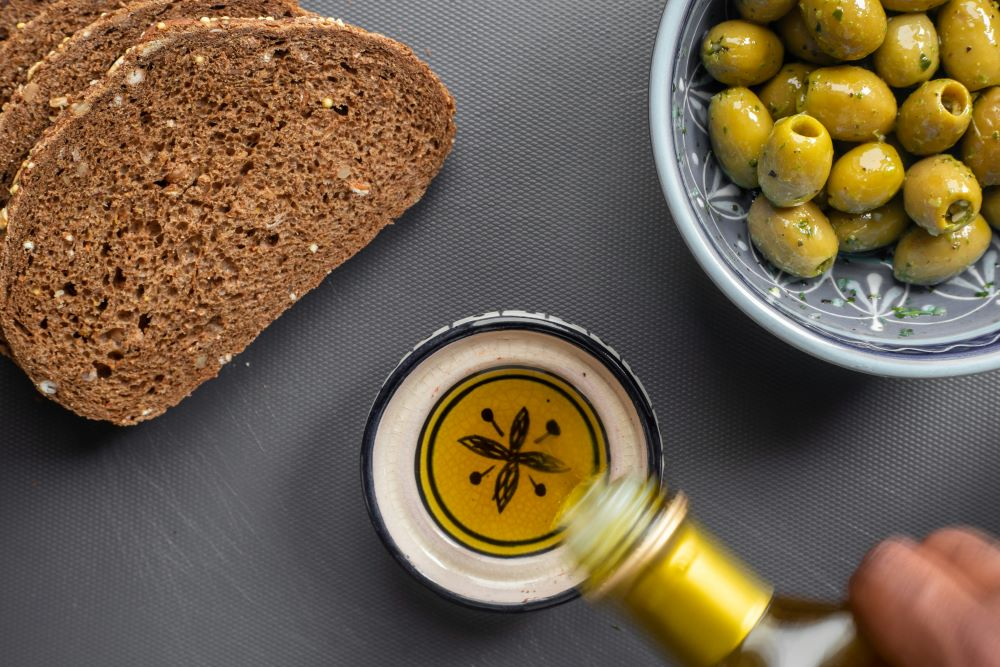
Not all olive oils are the same, and knowing the differences can make a big difference in both flavor and health. Here’s how I use them in my kitchen:
- Extra Virgin Olive Oil (EVOO): Best Overall
✔ Cold-pressed
✔ Least processed
✔ Highest in antioxidants
✔ Rich, fruity flavorBest for: salads, drizzling, dipping, low-medium heat cooking.
This is the one I recommend for daily wellness.
- Virgin Olive Oil: Slightly milder than EVOO but still full of taste. Great for everyday cooking.
- Pure and Light Olive Oil: More refined with a neutral flavor and higher smoke point, perfect for frying or baking when you don’t want the olive taste to overpower your dish.
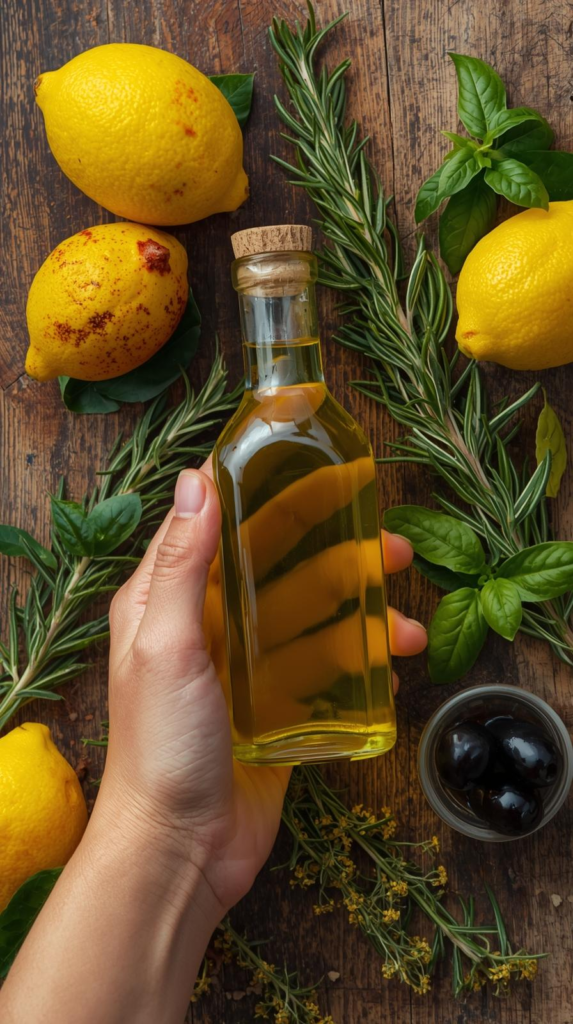
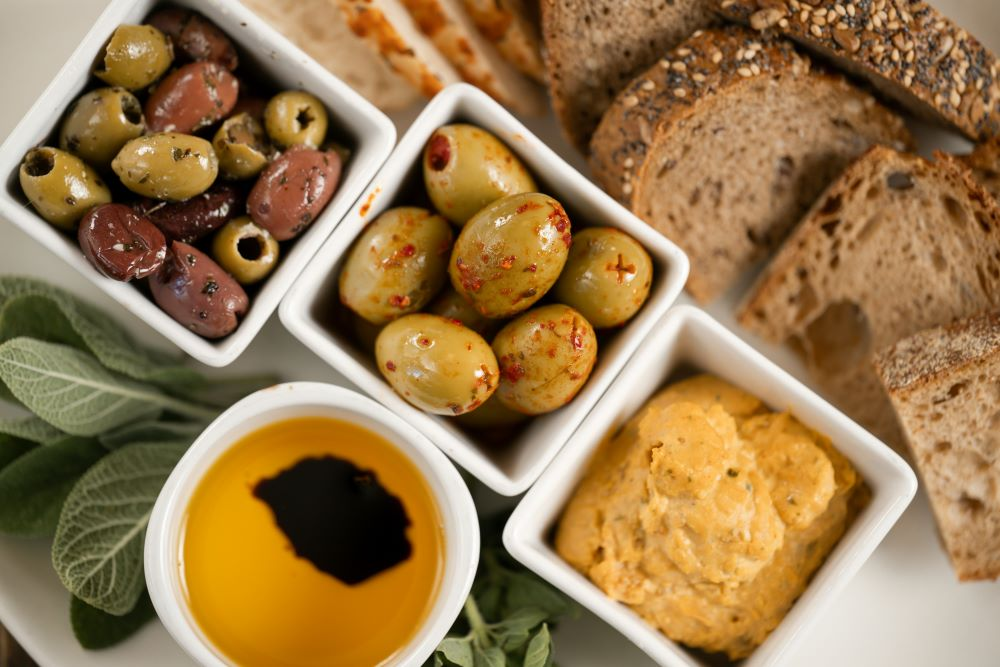
- Flavored or Infused Olive Oils: I love adding these at the end—herbs, garlic, or chili make a simple dish feel gourmet, perfect for dipping bread or finishing a meal.
✣
Read More: Honey in the Bible
✣
How to tell if Olive Oil
is Real or Fake?
With the rise in olive oil popularity, unfortunately, not all bottles on store shelves are authentic. Many are adulterated or blended with cheaper oils, which can reduce both flavor and health benefits. Here’s how to ensure you’re getting real olive oil:
- Check the label: Look for terms like “Extra Virgin Olive Oil (EVOO)” and country of origin. Avoid vague labels like “olive oil blend” or “pure olive oil” without certification.
- Certification seals: Seals such as PDO (Protected Designation of Origin) or PGI (Protected Geographical Indication) indicate authenticity.
- Taste test: High-quality olive oil should taste fruity and slightly peppery and leave a mild bitterness in the throat.
- Smell test: Fresh olive oil has a green, grassy, or fruity aroma. If it smells flat, musty, or greasy, it may be old or adulterated.
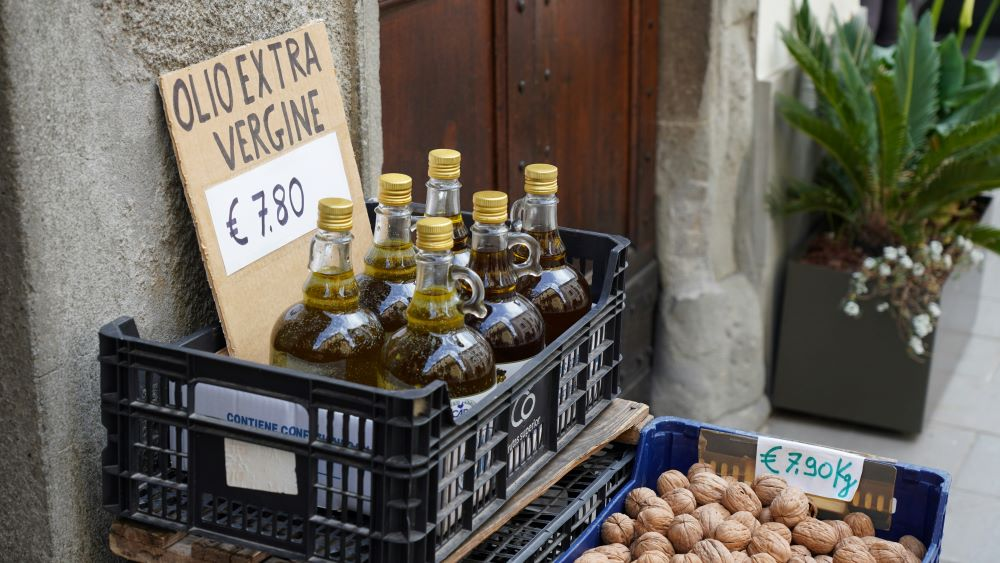
- Avoid overly cheap oils: Very low prices often mean the oil is blended with cheaper seed oils or heavily refined, which diminishes both flavor and health benefits.
✣
Quick Tip: For the best quality, choose extra virgin olive oil in dark glass bottles, store it in a cool, dark place, and check the harvest or pressing date rather than just the expiration date. Fresh EVOO is richer in antioxidants, polyphenols, and flavor.
Read More: The Ultimate Guide to Self-Care
✣
✣
My Trusted Olive Oil Picks
for Everyday Wellness
When choosing olive oil, I focus on three key factors:
-
Cold-pressed
-
Harvest-dated
-
Stored in dark glass bottles
For everyday cooking and drizzling, I recommend:
Option 1: Well-Balanced Daily EVOO
Perfect for families, budget-friendly, and versatile.
Option 2: Robust Mediterranean EVOO (Greece or Italy)
Bold, peppery, high in polyphenols — ideal for dipping bread and salads.
Option 3: California-Certified EVOO
Fresh, small-batch, often certified by quality councils.
Which Country Makes the Best Olive Oil?
Choosing the best olive oil isn’t just about picking a country, but the origin can give you clues about flavor, quality, and authenticity. Here’s a quick guide to some of the world’s top olive oil producers:
- Italy: Famous for high-quality extra virgin olive oil (EVOO) with fruity, peppery flavors. Regions like Tuscany, Puglia, and Liguria produce oils with unique, signature tastes. Look for PDO/ PGI certification to ensure authenticity.
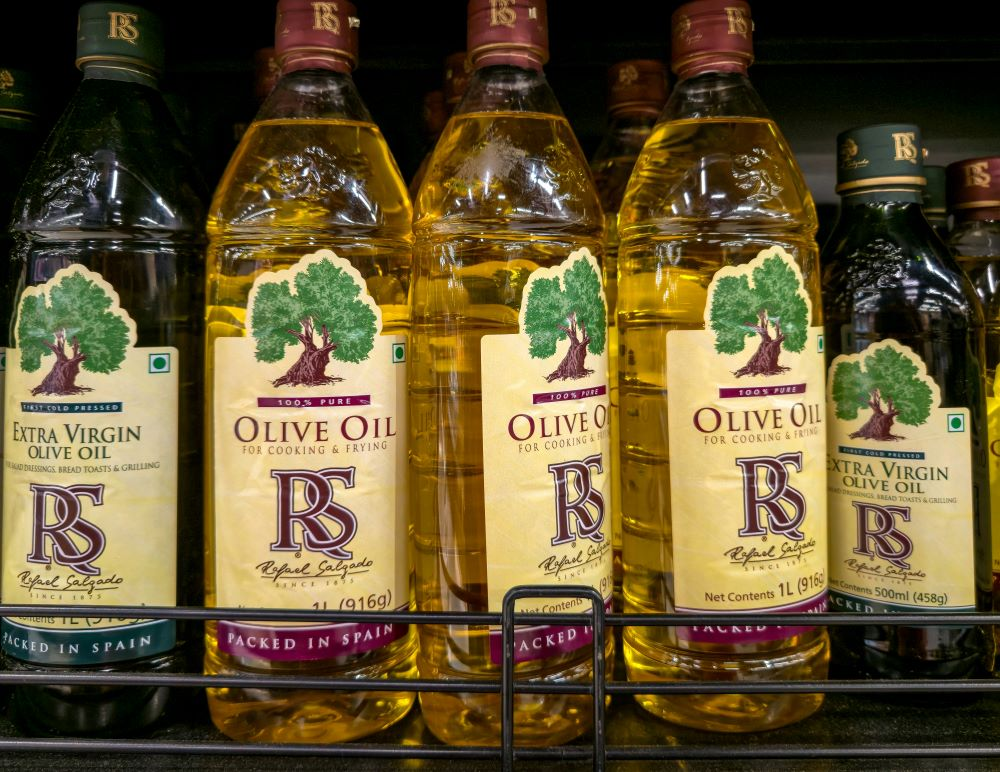
- Spain: The largest olive oil producer in the world, Spain offers a wide range of flavors from mild and buttery to robust and peppery. Andalusia, especially Jaén and Córdoba, is known for top-quality oils
- Greece: Known for bold, robust olive oils rich in antioxidants and polyphenols. Crete and Kalamata produce flavorful oils that are both tasty and packed with health benefits.
- Other Notable Producers: Portugal, France, and California (USA) are gaining recognition for premium olive oils. California oils, often certified by the California Olive Oil Council (COOC), are fresh, fruity, and small-batch, making them a top choice for both flavor and nutrition.
Choose based on flavor preference and freshness,
not just the country name.
✣
Read More: Sabbath and The Science of Recovery
✣
Cooking with Olive Oil:
Practical Tips
Here’s how I use olive oil in my kitchen:
-
Use EVOO for sautéing and roasting at moderate heat
-
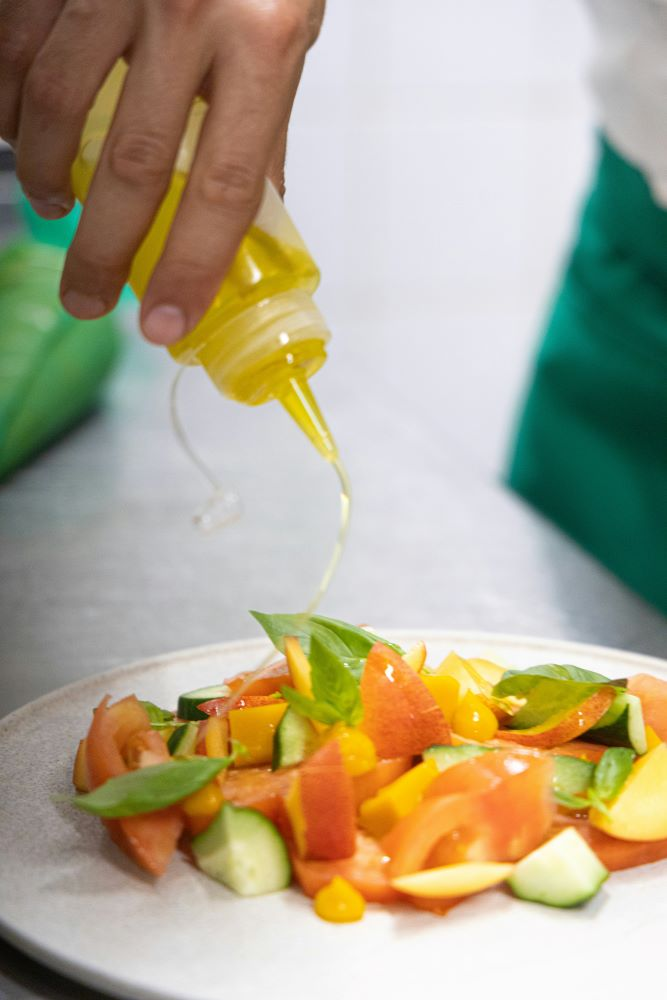
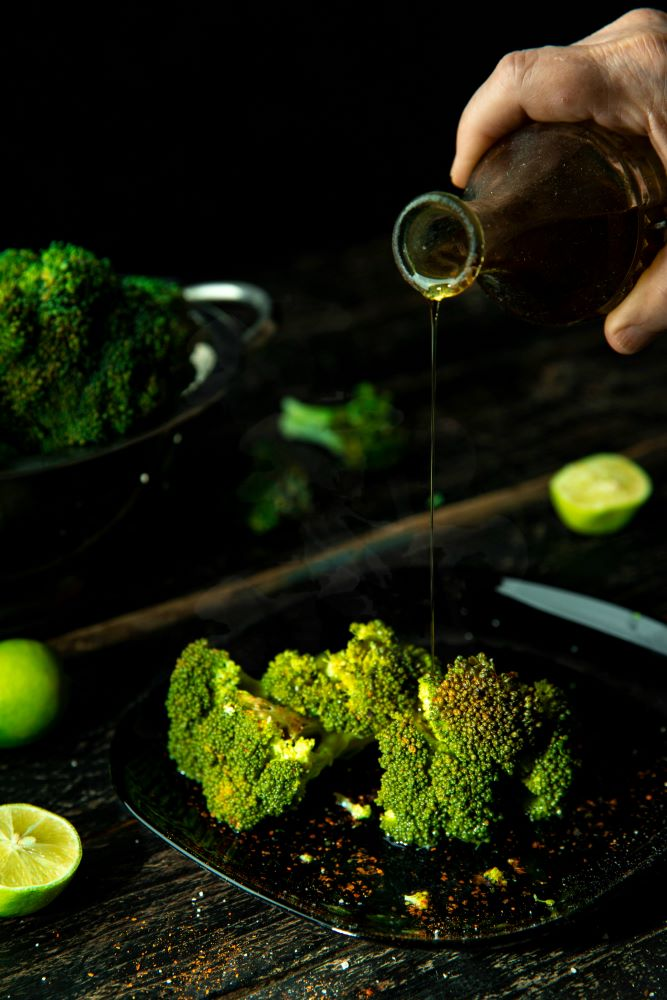
Drizzle raw over salads and grains for maximum antioxidants
-
Use light olive oil for baking when neutral flavor is needed
-
Add infused oils at the end for gourmet flavor
✣
How to Store Olive Oil Properly
I’ve learned that how you store olive oil makes a big difference in its flavor and freshness. Here’s how to make it last longer:
- Keep it Cool and Dark: Store olive oil away from heat, sunlight, and stovetops. A pantry or cabinet works best.
- Watch the Dates: For the best flavor and nutrition, use your olive oil within 18-24 months of production (or within 6 months after opening).
- Seal It Tight: Always close the bottle securely to prevent oxidation and preserve quality.
Fresh oil delivers more antioxidants and better flavor.
✣
Bringing it all together
Olive oil is more than just a culinary treasure; it’s part of how I care for myself and my family. From nourishing our hearts and minds to keeping our digestion and skin healthy, I see it as one of God’s simple gifts that connects the physical and the spiritual.
Try It for Yourself: Bring the benefits of olive oil into your home and your family’s meals. Choose high-quality extra virgin olive oil, experiment with your favorite recipes, and see how this simple gift from nature nourishes both body and spirit.
If this post helped you, let me know in the comments.
Do you use olive oil daily?
Have you ever thought about its biblical meaning before?
And if you’re building a more holistic, faith-centered lifestyle, explore these next:
Cool blog.