

Because true healing isn’t about doing more – it’s about doing less, with intention.
Healing is not about doing more, it is about slowing down and honoring the natural rhythm of your body.
In a world that often pushes us to rush, real restoration comes when we pause, breathe, and move with intention. Both movement and rest are vital to healing the body and mind. They are not opposites, but partners. Movement awakens energy and clears the mind, while rest restores balance and allows the body to repair.
Together, they create a gentle rhythm that supports long term- wellness, clarity and peace.
True healing happens when we stop pushing and start listening. When we align ourselves with nature’s rhythm instead of trying to outrun it. Just as the seasons shift gently and the moon waxes and wanes, our bodies and hearts need time, patience, and space to restore.
Movement and rest may seem like opposites, but together, they form the foundation of natural healing. Each plays a vital role in restoring balance – both in the body and the mind. In truth, they’re not in competition. They’re in conversation. One prepares the way for the other.
Yet despite this deep connection, a common misconception persists that the body and brain operate in isolation. Many people still view physical health and mental well-being as separate domains, when in truth, they are profoundly linked through the nervous system.
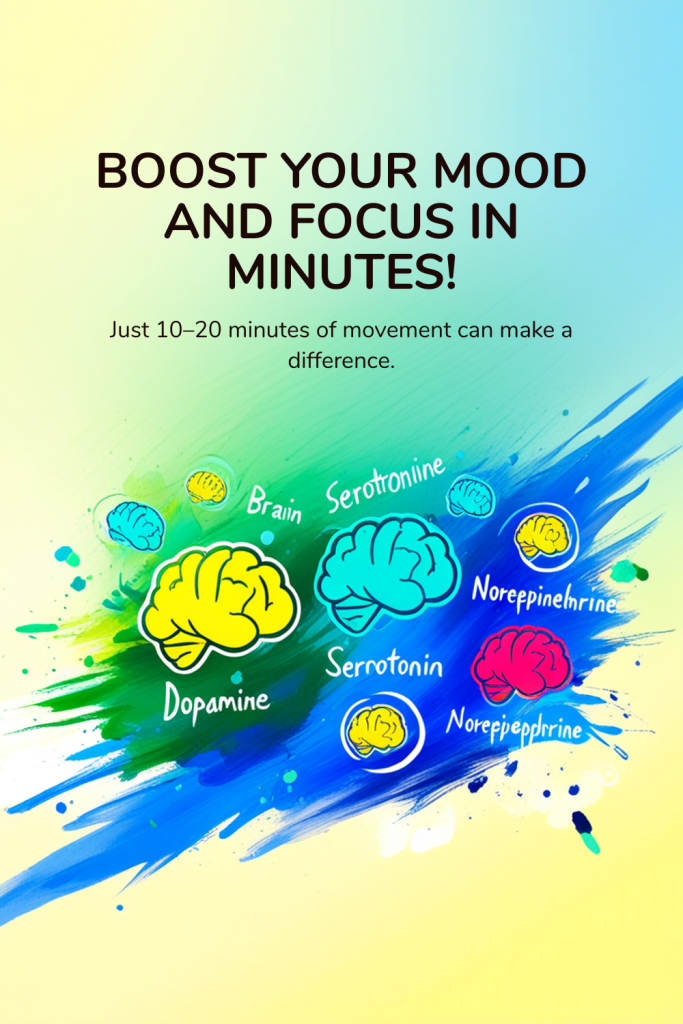
Moving your body directly impacts your brain. Engaging in just 10 to 20 of intentional physical activity can boost key brain chemicals like dopamine, serotonin, and norepinephrine, which play a vital role in regulating mood, enhancing focus, and increasing motivation.
Whether it’s a quick workout, a brisk walk, or some gentle stretching, movement is not only about fitness.
It is a way to nourish your brain. It creates an optimal environment for mental clarity, emotional balance, and improved cognitive performance. More importantly, regular movement is one of the most powerful and natural ways to manage stress and support a resilient nervous system.
When we understand that movement is not just exercise, but a tool for connection and healing, it becomes something we can use throughout our day, intuitively and with care.
Of course, movement must be balanced by stillness. Rest is where integration happens. It is the soft landing after motion. The place where the nervous system recalibrates, repair tissues, and insight settle. Without rest, movement becomes just another form of exertion. But when paired intentionally, they support each other like inhaling and exhaling.
I have been learning how movement and rest are not just things we ‘should do’. They are medicine. When I move my body, I feel lighter and clearer. When I finally give myself permission to rest, I notice my mind and heart begin to heal too.
In this post, I want to share what I have discovered about how movement and rest can restore us in the most powerful ways.
✣

✣
The Science of Healing – Why Balance Between Movement and Rest Matters
Healing is both an art and a science. It is a dynamic process through which the body, mind, and spirit recover from injury, illness, or imbalance. At its core, healing is the body’s natural ability to restore itself, supported by a wide range of scientific principles and therapeutic practices.
The science of healing explores how the body repairs tissues, how the immune system fights disease, and how the nervous system influences recovery. It also encompasses psychological and emotional resilience, recognizing that mental health plays a critical role in physical healing.
Advances in medicine, nutrition, neuroscience and integrative therapies have expanded our understanding of how healing occurs. From the regenerative power of stem cells to the stress-reducing effects of mindfulness, science continues to reveal the complex mechanisms that contribute to wellness and recovery.
This field doesn’t just focus on curing disease. It also emphasizes prevention, vitality, and the interconnectedness of all aspects of health. Whether through conventional medicine treatments or complementary approaches like acupuncture, herbal medicine or energy healing, the science of healing offers a holistic path to wellness.
The body’s stress recovery cycle is a natural rhythm that helps us respond to challenges and then returns to balance, but in the rush of everyday life, chronic stress and constant overstimulation can interrupt this process, leaving us stuck in a state of fight or flight. Over time, this can weaken immunity, disrupt sleep, and drain our energy. Healing begins when we activate the parasympathetic nervous system which is the “rest and digest” mode. This system calms the body, supports digestion, and allows repairs to occur. When you give your body the opportunity to truly relax, it finally has the chance to tend to its essential maintenance duties, like cellular repair, and mindful stillness help guide the body back into its healing state, supporting resilience and long-term well-being.
As we bridge traditional wisdom with modern science, we unlock a fuller understanding of healing. One that empowers us to live richer, more vibrant lives in harmony with ourselves and the natural world.

✣
How Movement Becomes Medicine in Three Simple Ways
When we think of movement, we often think of exercise, but movement is beyond exercise. It is also a gentle, powerful way to ease tension and reconnect with our body in a meaningful way. Even gentle stretching or a slow walk can help you let go of stress and feel more grounded. Walking, in particular, plays an important role in stimulating the lymphatic system, which supports the body’s natural flow and detoxification.
1. Gentle Restorative Movement
Unlike the circulatory system, the lymphatic system relies entirely on muscle movement, gravity, and breath to circulate lymph which is a clear fluid that carries waste, toxins and immune cells.
Without regular movement, this system can become sluggish, leading to swelling, fatigue, and weakened immune response. Movement like stretching open pathways.
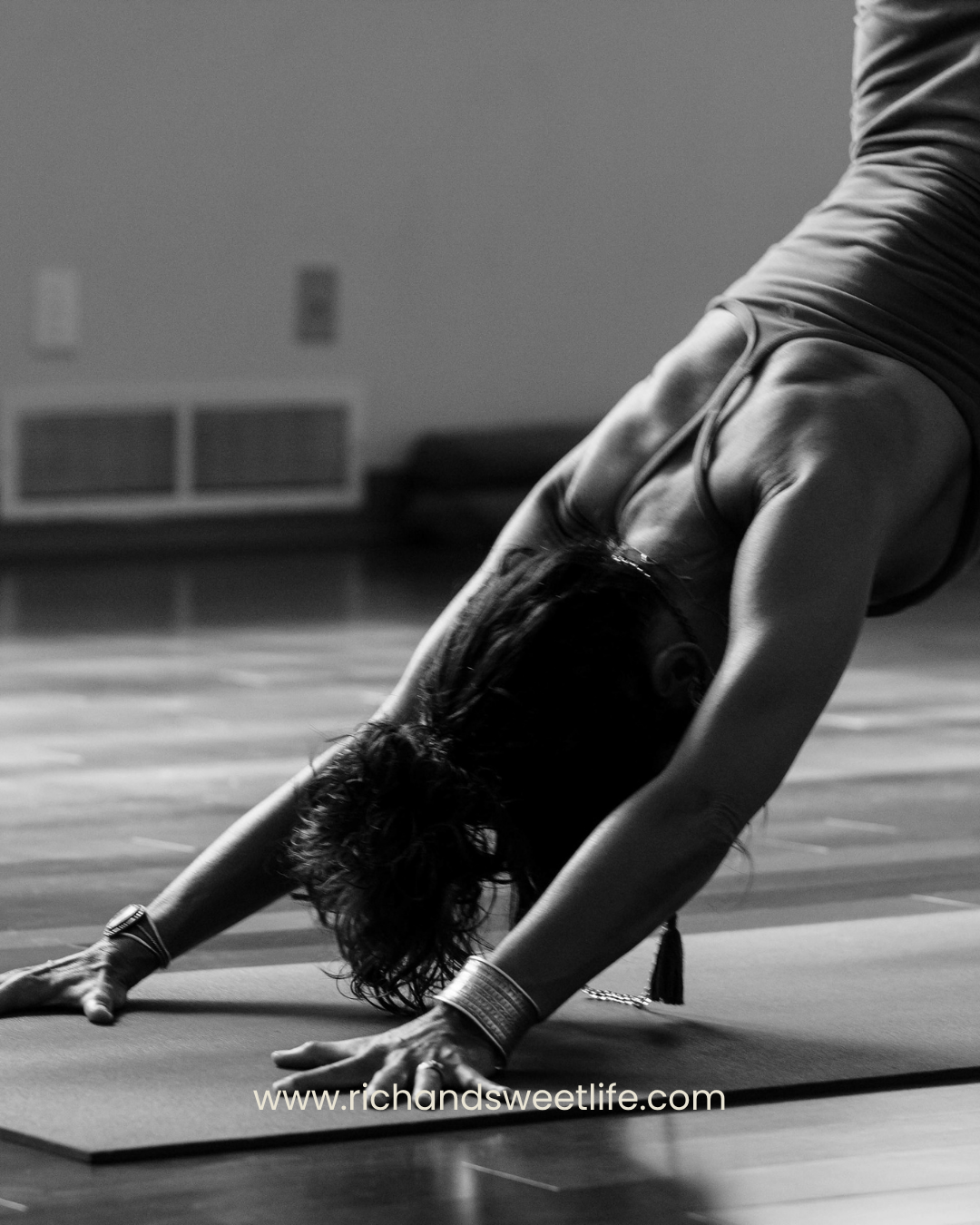
Gentle stretching or yoga-style movement lengthens fascia and opens joint spaces, helping lymph move more freely around tight or congested tissues.
If you want to bring fresh air into a stuffy room, you’d open a window to let it breathe. In the same way, moving your body—whether it’s walking, stretching, or deep breathing with motion, it refreshes your mind and helps clear away stress.
As your heart rate gently rises, it sends a surge of oxygen-rich blood to your brain, boosting circulation. This helps lift brain fog, enhances focus, and sharpens mental clarity.
2. Functional Everyday Movement
Fuctional everyday movement is the kind of movement woven naturally into daily life. It doesn’t require a workout plan or extra time set aside. These are the simple motions we make while caring for our home, preparing meals, playing with children, or moving through our routines with intention.

This type of movement supports the body by keeping joints mobile, muscles engaged, and circulation flowing throughout the day. Small actions like standing up regularly, reaching, bending, carrying, or taking short walks help prevent stiffness and gently strengthen the body over time.
When approached mindfully, everyday movement can also become a moment of presence and gratitude.
Moving with awareness invites us to honor the body as it is, recognizing that even ordinary actions can support health, balance, and well-being.
3. Intentional Strengthening Movement
Intentional strengthening movement has taught me that strength doesn’t have to feel harsh or demanding. I’ve learned that moving slowly, with purpose, helps my body feel supported rather than pushed.
Simple practices like bodyweight exercises or light resistance have become ways for me to build stability and confidence, reminding me that strength can be cultivated with patience and care.
When approaching strengthening movement with intention, it feels less like a task and more like an act of stewardship. You will notice how your body responds when you honor its pace—posture improves, energy feels steadier, and it feel more present.
Over time, real strength grows not from striving for perfection, but from showing up consistently and trusting the process.
✣
READ MORE: The Ultimate Guide to Self-Care
✣
Rest as Restoration – Why Deep Rest Heals the Body and Mind
A lot of us tend to see ourselves like machines, believing a short break is enough to bring us back to full function. However, when rest only follows complete exhaustion or burnout, it may signal the absence of restorative rest. This is a type of rest that not only restores basic functioning but also supports overall well-being, resilience, and optimal performance as a whole person.
Types of Rest for Whole-Body Wellness
When you experience sore muscles or restless sleep, these may be signs that your body is in need pf physical rest. This includes both passive forms such as sleep and naps, and active forms like gentle stretching or restorative movement that relieve muscle tension, physical fatigue, and overall exertion.
Getting quality sleep is vital for long-term health, with research showing that people who sleep between six and a half to seven and a half hours each night generally experience the best long-term health outcomes. Many Americans struggle with sleep due to factors like blue light exposure, inconsistent routines, and poor sleep environments, which disrupts melatonin production and circadian rhythms.
Tips for Restorative Sleep and Mental Clarity
- Create a calming sleep environment: Make the bedroom peaceful, dim lights before bed, and
establish a consistent sleep routine. Support relaxation with simple practices: Try box breathing, warm baths, and sleep-supporting nutrients
like magnesium, theanine, and melatonin.Consistency is key: Regular, nightly rest allows the body to enter a powerful state of repair and
renewal.
When we allow our body to truly rest night after night, it enters a powerful state of repair and renewal. During this time, cells regenerate, tissues heal, hormones rebalance, and the immune system strengthens. It is also when the brain supports emotional processing and the body balances key hormones like cortisol, melatonin, and growth hormone. All essential for mood, energy, metabolism, and stress regulation.
Deep rest isn’t just about feeling refreshed in the morning, it is a foundational pillar for long term health, mental clarity, emotional resilience and overall well-being. Just as we prioritize routines for fitness, nutrition, and productivity, giving sleep the same level of care and intention creates a strong foundation for a more vibrant balanced life.
Establishing a consistent sleep routine not only improves the quality of rest but also plays a crucial role in how we think and function during the day. When our sleep is fragmented or our circadian rhythm is out of sync, it doesn’t just leave us feeling tired. It affects our mental clarity, focus, and memory. This is where brain fog often creeps in. That heavy, sluggish feeling in the mind is more than just being sleepy. It is a signal from the body that something is off balance which is often rooted in poor sleep, stress, or nutritional gaps.
Brain fog can make even simple tasks feel overwhelming, and it’s often a sign that the body and mind are craving deeper restoration. Whether it’s due to poor sleep, stress, or mental overload, the good news is that there are gentle, accessible tools to help clear the haze. If you’re struggling to quiet your mind, brain fog or having trouble focusing, practices like breathwork and extended breath holds can serve as powerful tools for mental clarity.
Try three rounds of 30 deep breaths with breath retention in between. Another breathing technique is the 4-7-8 method, popularized by integrative medicine expert Dr. Andrew Weil. You inhale your nose for a count of four, hold your breath for seven counts, then exhale slowly through your mouth for the count of eight. Just 10 minutes a day can help reset your mind and improve concentration.
Creating an organized, clutter-free environment also supports mental focus, as your physical space often mirrors your internal state. Reducing screen time, especially during moments of rest, can have a profound effect on mental clarity. In particular, it’s crucial to avoid screens within two hours of bedtime, as the blue light emitted from phones and other devices stimulates cortisol production, interfering with the natural release of melatonin and disrupting sleep.
Supporting your brain through nutrition is just as important. Include foods rich in omega-3 fatty acids, antioxidants, and essential vitamins to enhance cognitive function and focus throughout the day.
While mental sharpness isn’t just fueled by what we eat; it’s also deeply connected to how we care for our emotional well-being. Emotional rest becomes essential when you’re feeling drained from social interactions or find yourself suppressing feelings to meet others’ expectations. This type of rest allows you to be emotionally honest and supported without needing to perform. Talking with a trusted friend or therapist, and spending time with people who allow you to be your authentic self, are powerful ways to restore emotional energy.
Finally, if experiencing symptoms like eye strain, frequent headaches, difficulty concentrating or heightened sensitivity to noise or light. Your body may be signaling a need for sensory rest. In our modern lives, we’re constantly exposed to artificial lighting screen glare, background noise, and fast-paced stimuli. All of which keeps the nervous system in a state of low-level stress. Sensory rest is the intentional act of reducing this input to create moments of calm and reset. This could mean turning off screens, dimming lights, lowering ambient noise, or sitting in quiet stillness with your eyes closed.
One powerful way to invite sensory rest is by shifting your gaze into open space. Stepping outside and letting your eyes focus on the horizon, trees, or clouds. When we work indoors, our visual field becomes narrow and strained, locked into close-range focus on screens or walls. But stepping outdoors naturally broadens our vision. When you look into the distance gives our eye muscles a chance to relax and recalibrate, which acts like a natural workout for vision and supports overall eye health.
Sensory rest not only soothes our physical senses but also calms the mind, regulate the nervous system, and restore clarity in a world that rarely slows down. When one type of rest is neglected, it can drain the others—making it difficult to feel truly rested or function at your best. Prioritizing all four ensures a balanced recovery that supports not just productivity, but resilience, presence, and overall vitality.
Daily Healing Rhythms – Aligning Movement and Rest in Harmony
We often think of rhythm as something children need – bedtime routines, mealtimes, daily structure. But the truth is adults need rhythm too. Especially in times of healing, whether physical or emotional, rhythm offers a steady framework that nurtures safety, recovery, and balance. When we align ourselves with natural rhythms (day and night, activity and stillness), we cultivate a sense of harmony and deep healing that supports long term wellness.
Rhythm, tasks, and schedules may seem similar, but they serve very different purposes especially when it comes to healing. Rhythm is about flow; it’s intuitive, flexible, and grounded in the natural cycles of your body and energy. It’s gentle structure that helps you move through your day with ease like starting your morning with movement, taking a midday pause, or winding down in the evening.
In contrast, tasks are specific actions or to-dos like checking email, making dinner, or taking supplements. They’re about what needs to be done. Schedules, on the other hand, are time-bound and often rigid. They tell you when to do something, like a 9 AM meeting or 3 PM appointment. While schedules and tasks are useful for staying organized and getting those done, rhythm offers something deeper: a sense of stability, safety, and inner harmony. In a healing journey, rhythm becomes the foundation that holds everything else inviting presence not pressure.
Rather than rigid schedules or endless task lists, embracing rhythm can be so powerful in healing. When your day flows in tune with your body’s natural needs, you create space for restoration and balance. When energy flows evenly and in harmony, the body works more efficiently to maintain health and resilience. But this energy flow is not guaranteed. It can be disrupted by many things like chronic stress, poor nutrition, emotional strain, or even disconnection from natural cycles. Recognizing these imbalances is the first step toward restoring the rhythm that supports true healing.
Science increasingly supports the importance of living in tune with our natural biological rhythms—known as circadian rhythms—which govern everything from our sleep-wake cycles to hormone production, metabolism, and immune function. When these internal clocks are aligned with our environment and behaviors, our bodies operate optimally, improving energy, mood, and overall health. Disruptions to these rhythms, caused by chronic stress, poor diet, or irregular schedules, can contribute to inflammation, fatigue, and a weakened immune response.
This growing understanding highlights why a rigid, one-size-fits-all approach often falls short. Instead, embracing a cyclical and nourishing way allows us to work with, rather than against, our body’s innate timing—honoring the ebb and flow that naturally supports healing and vitality. Rather than forcing ourselves into strict routines, we begin to align with the natural rhythms that guide our bodies, our energy, and the world around us.
A cyclical and nourishing lifestyle invites us to slow down, listen inward, and choose what truly replenishes us—season by season, phase by phase. It’s not about doing more, but about living more intentionally, in harmony with the ebb and flow of life itself.
Morning, Midday, and Evening Rhythms for Balance
Structuring your day in a cyclical, nourishing way can support your energy, mood, and overall well-being. Begin your morning with gentle activation; think a slow walk, breathwork, or light stretching to ease into wakefulness without overwhelm.
Around midday, take a mindful pause to reset; step away from tasks, eat slowly, and reconnect with your breath. As evening arrives, shift into restoration with calming rituals like Yin yoga, silence, or journaling.
These simple rhythms not only honor your body’s natural flow but also create a space for healing, physically, emotionally, and energetically which invites a deeper sense of balance, resilience, and peace into your everyday life.

The Rich and Sweet Life Approach to Natural Healing
Healing, in this space, is not about quick fixes or pushing through. It’s about slowing down, tuning in, and allowing the body and soul to unfold in their own time. At Rich and Sweet Life, we see healing as a deeply personal and beautiful journey, one woven with nourishment, rest, self-compassion, and intentional living.
Whether you’re moving through physical pain, emotional fatigue, or simply longing to reconnect with yourself, our approach honors the wisdom of your body and seasons of your life. Healing here is not linear, it is cyclical. It is a return to rhythm, a softening into what is, and a daily practice of choosing gentleness over urgency.
Through mindful routines, natural nourishment, and quiet rituals, we create space for healing that is slow, steady, and rooted in joy. Because a rich and sweet life is not about perfection, it is about presence, softness, and honoring the beauty in your becoming.
You are invited to trust your body, its timing, its signal, its quiet wisdom. To honor your energy as it ebbs and flows, without forcing or rushing. To create sacred space in your day for both movement and rest, knowing that each has its own role in your healing.
This gentle, cyclical way of living isn’t just about feeling in the moment, it is a path to long-term wellness, deeper joy, and a life rooted in wholeness, when you begin to live in rhythm with your body and with care for your spirit, healing becomes not just possible, but inevitable. This is the heart of The Rich and Sweet Life – a healing journey that is slow, intentional, and profoundly beautiful.
In the end, natural healing isn’t found in extremes – it lives in the quiet, consistent rhythms we choose each day. Research shows that our bodies thrive when we aligned with regular cycles of activity and rest, helping to regulate hormones, reduce stress, and support immune function.
It’s not about doing more or pushing harder, but about listening deeply, honoring your energy, and creating space for both movement and restorative stillness. These small, intentional choices woven into your mornings, pauses, and evenings, build a strong foundation for lasting wellness.
This week, I invite you to try just one simple rest ritual and one gentle movement ritual. Notice how these small acts can begin with these intentional, nurturing steps.
At Rich and Sweet Life, we believe healing is a rhythm, not a rush. When you live in harmony with your body’s natural cycles, you invite not only healing but joy, resilience, and the quiet beauty of a life deeply nourished.