

This perspective comes from care, not fear.
I’ve been given a healthy body, and I see that as grace. For me, mindful eating becomes a way to honor what I’ve been entrusted with through nourishment, presence, and gratitude.
In this context, heart health moves away from managing risk or following rules. It’s about creating an internal environment marked by peace, nourishment, and consistency.
When we lower stress, slow down meals, and approach food with gratitude rather than anxiety, the body—including the heart—receives natural support.
This might look like sitting down for meals, eating without a screen, or allowing enough time to actually enjoy your food.
Here are a few gentle ways mindful eating supports the heart—and how you can begin practicing it in everyday life
Some links below are affiliate links. I may earn a small commission at no extra cost to you.

Why Mindful Eating Matters for the Heart
The heart responds not only to nutrients, but to rhythm.
As a result, rushed meals, chronic stress, and distracted eating keep the body in a constant state of urgency. Over time, that urgency affects digestion, blood sugar balance, and the nervous system.
Mindful eating gently interrupts that cycle.
Slowing down during meals:
- Signals safety to the body
- Supports digestion and absorption
- Encourages balanced portions without control
- Reduces stress that can strain the heart over time
This is not about preventing something bad from happening. It’s about cultivating an environment where the body can function as it was designed to.

READ MORE : Signs Your Body Is Asking You to Slow Down
Eating with Intention, Not Restriction
Mindful eating does not require strict rules or perfect choices.
It’s the practice of choosing foods that support you while remaining present and flexible. For me, that looks like prioritizing nourishment, enjoyment, and simplicity rather than chasing trends or extremes.
Heart-supportive foods are often simple:
- Whole, fiber-rich foods
- Natural fats that support satiety
- Meals that leave you feeling steady, not depleted
You may find these supportive:
- High-quality olive oil
- Organic cocoa or dark chocolate
- Whole-food supplements
These aren’t prescriptions. They’re tools that support a rhythm of care.

READ MORE: The Ultimate Guide to Olive Oil

How Mindful Eating Supports Heart Health
Your heart doesn’t just respond to nutrients—it responds to your nervous system, stress levels, and daily habits.
Mindful eating can support heart health by:
- Reducing stress, which plays a role in inflammation and heart strain
- Improving digestion and nutrient absorption
- Supporting healthier blood sugar balance
- Encouraging more consistent, balanced eating over time
When meals are rushed or eaten under stress, the body stays in “fight or flight” mode. Slowing down allows your body to shift into a calmer state, which supports both digestion and cardiovascular health.

Simple Mindful Eating Practices You Can Start Today
You don’t need to overhaul your meals to practice mindful eating.
Start small.
Try one or two of these habits:
- Pause for a deep breath before eating
- Eat without distractions for at least one meal a day
- Chew slowly and notice flavors and textures
- Stop eating when you feel comfortably full—not stuffed
Even practicing mindfulness during one meal a day can shift your awareness and relationship with food.
- Herbal teas for digestion or relaxation
- Magnesium or stress-support supplements
- A favorite mindfulness or wellness journal
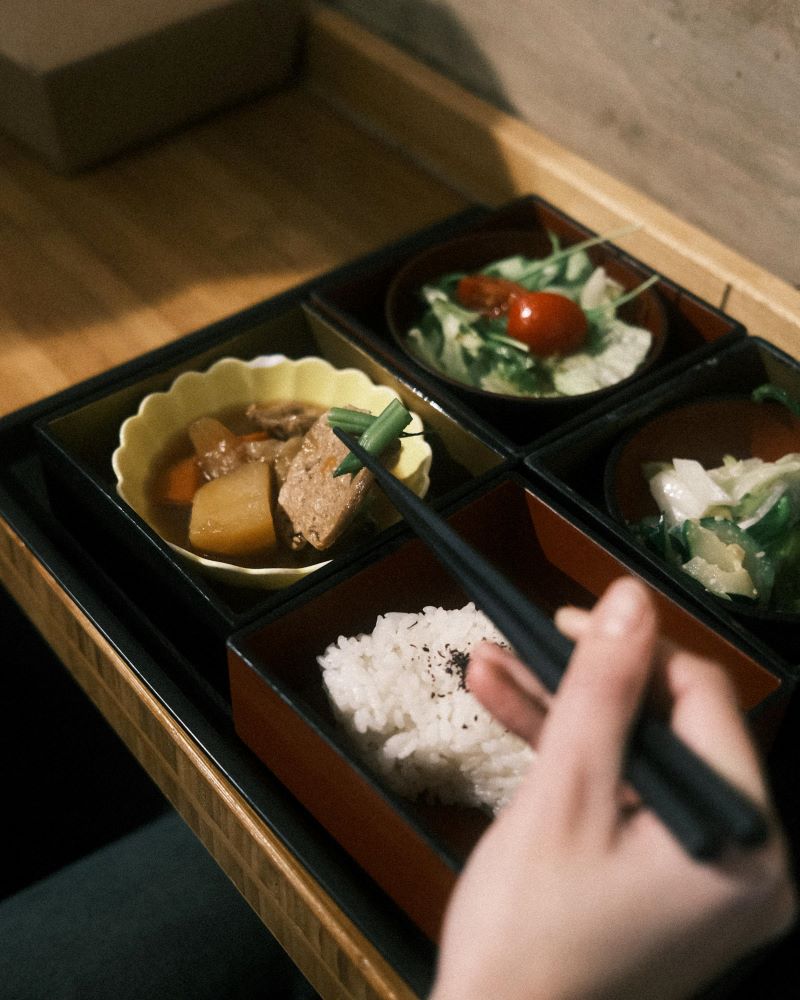
As I’ve learned more about mindful eating, I’ve found myself returning to examples outside of modern wellness culture particularly the way meals are approached in parts of Japan often references in longevity research. What stands out to me isn’t a specific diet, but the rhythm around food.
Meals are traditionally unhurried and eaten with presence. There’s care in how food is prepared and enjoyed, and an awareness of stopping when comfortably satisfied rather than overly full.
None of these feels rigid or rule-driven but feels more relational.
READ MORE: 5 Gentle Habits that Support a Calm and Healthy Life
The Role of Peace in Heart Health
Peace is often missing from wellness conversations.
Mindful eating creates space for peace at the table. Space to notice hunger, fullness, and satisfaction without judgment. That peace matters.
Stress places a real burden on the body, and the heart is not exempt from that.
Choosing to eat slowly, without distraction, and without guilt is a quiet but powerful form of care.

Honoring the Body Without Obsession
Caring for the heart doesn’t mean centering your life around health.
Mindful eating allows wellness to exist alongside life, not above it. Meals become moments of nourishment rather than something to manage or perfect.
This approach leaves room for:
- Celebration
- Cultural and family traditions
- Flexibility without shame
That balance is what makes care sustainable.
READ MORE: The Ultimate Guide to Holistic Living

Bring it all together
Ultimately, mindful eating for heart health focuses on honoring what’s already working.
It’s about honoring what’s been given.
In this way, approaching food with intention, gratitude, and calm supports the body far beyond a single system or outcome. The heart, like the rest of the body, responds well to care rooted in peace.
Gentle Disclaimer
This post is shared from a personal perspective and is not intended as medical advice. It reflects a stewardship-based approach to wellness and nourishment.