

Cocoa powder isn’t just for baking, it can be a powerful wellness ingredient when you choose the right kind.
Rich in antioxidants, minerals, and fiber, high-quality cocoa can support heart health, brain function, and overall well-being. But not all cocoa powders are created equal.
If you’re looking for a simple starting point, I personally recommend choosing a high-quality organic cacao powder like Navitas Organics Organic Cacao Powder because it’s minimally processed and transparent about sourcing.
Here’s a simple, practical guide to help you choose the healthiest cocoa powder with confidence.
Some links are affiliate links. I may earn a small commission at no extra cost to you.
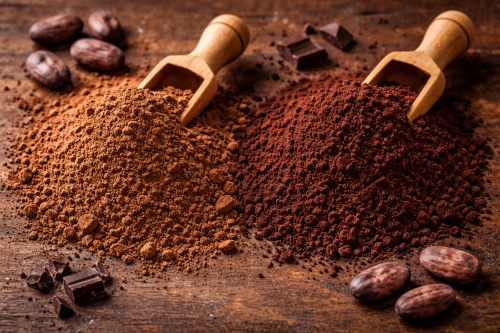
Choose Natural, Minimally Processed Cocoa
The healthiest option is natural (non-alkalized) cocoa powder. This type is made by roasting and grinding cacao beans with minimal processing, which helps preserve beneficial plant compounds.
Avoid cocoa labeled as:
- Dutch-processed
- Alkalized
While these have a smoother, less bitter taste, the alkalizing process significantly reduces antioxidant levels—especially flavanols, which are responsible for many of cocoa’s health benefits.
Natural cocoa generally retains more antioxidants (flavanols) because it’s not neutralized
Dutch-processed tastes smoother but can have fewer phytonutrients.
Wellness tip: If the label doesn’t mention Dutch-processing or alkalization, it’s usually natural cocoa.
READ MORE: Biblical Foods that Science Proves are Healthy
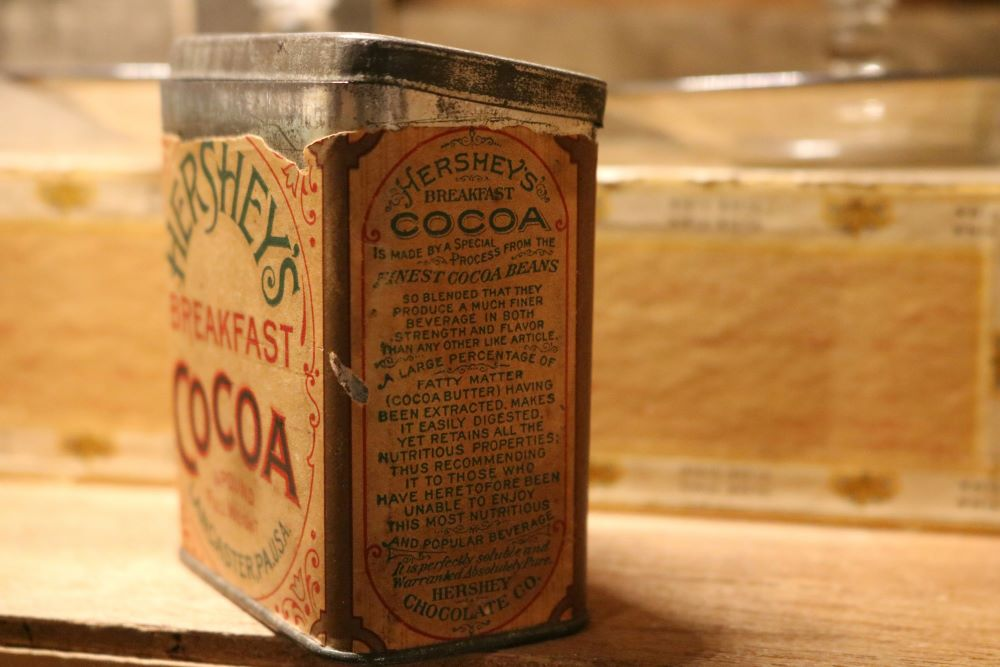
Read the Ingredient List Carefully
A high-quality cocoa powder should have a very short ingredient list:
- Cocoa powder or 100% cocoa
That’s it.
Avoid products that include:
- Added sugars
- Artificial flavors
- Fillers or oils
Purity matters when you’re using cocoa for both flavor and health.
Check the Nutrition Label
Comparing nutrition labels can tell you a lot about quality. Look for:
- Zero sugar (pure cocoa contains no sugar)
- Higher fiber content, which supports digestion and satiety
- Naturally occurring fats, which are normal and help with nutrient absorption
Higher fiber and minimal additives are signs of a better, more natural product.
READ MORE: The Science Behind Plant-based Eating For Body, Mind & Soul
Prioritize Antioxidant (Flavanol) Content
Cocoa is best known for its flavanols, powerful antioxidants linked to:
- Heart health
- Improved circulation
- Brain and cognitive support
Natural cocoa typically contains far more flavanols than processed varieties. Some brands even list flavanol content on the label. This is a great indicator of quality and transparency.
One example is CocoaVia, which standardizes its flavanol levels for heart support.
Consider Organic Cocoa
Choosing organic cocoa powder can help reduce exposure to pesticides and chemical residues. While organic doesn’t automatically mean more nutritious, it often reflects better farming and processing standards.
If organic is available within your budget, it’s a worthwhile upgrade especially if you use cocoa regularly.
For example, brands like Navitas Organics and Terrasoul Superfoods offer certified organic, minimally processed cacao options.
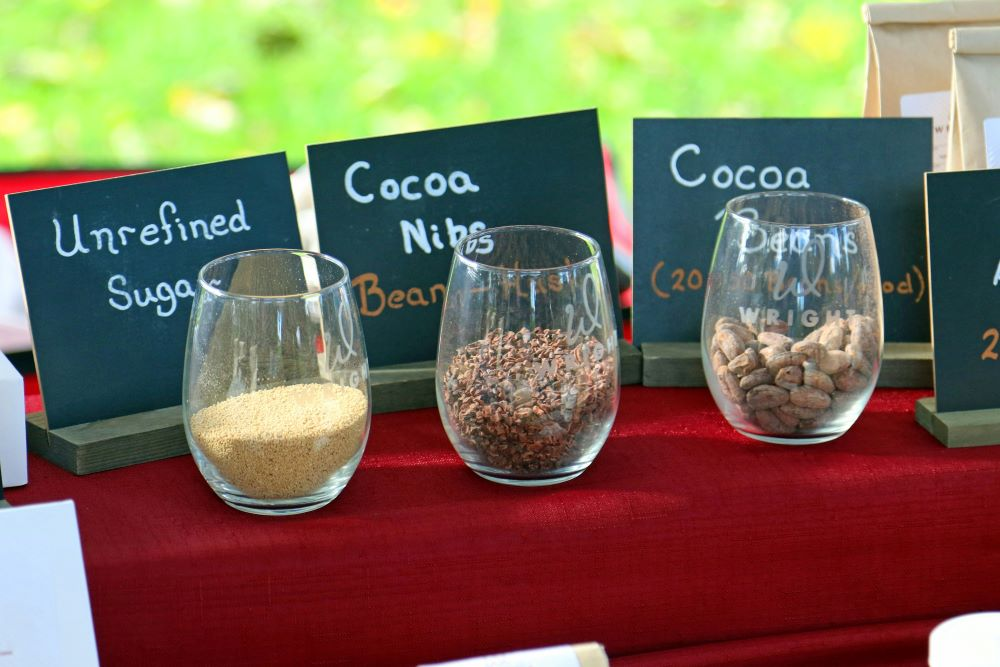
Look for Quality Certifications
Helpful certifications include:
- USDA Organic
- Non-GMO
- Fair Trade
While Fair Trade isn’t a direct health factor, it supports ethical sourcing and sustainable farming practices, which often correlate with higher-quality products.
READ MORE: Caring for the Temple
Trust Brands That Are Transparent
Reputable cocoa brands often share:
- Country or region of origin (such as Peru, Ecuador, or Ghana)
- Processing methods
- Nutritional or antioxidant details
Transparency is a strong signal that a brand values quality from bean to powder.
Recommended Cocoa Powders to Try
Now that you have a feel for what makes a truly good cocoa powder, this part is meant to be simple and supportive, not overwhelming. Think of it as a starting point, not a rulebook.
Here are some Healthy cocoa powder options you can consider especially if you’re looking for organic, minimally processed, high-antioxidant cocoa for baking, smoothies, drinks, or general wellness:
Great for Everyday Organic and Raw Cocoa
- Terrasoul cacao powder
Why it’s great: Lab-tested for purity, raw, budget-friendly bulk options. - Navitas Organics
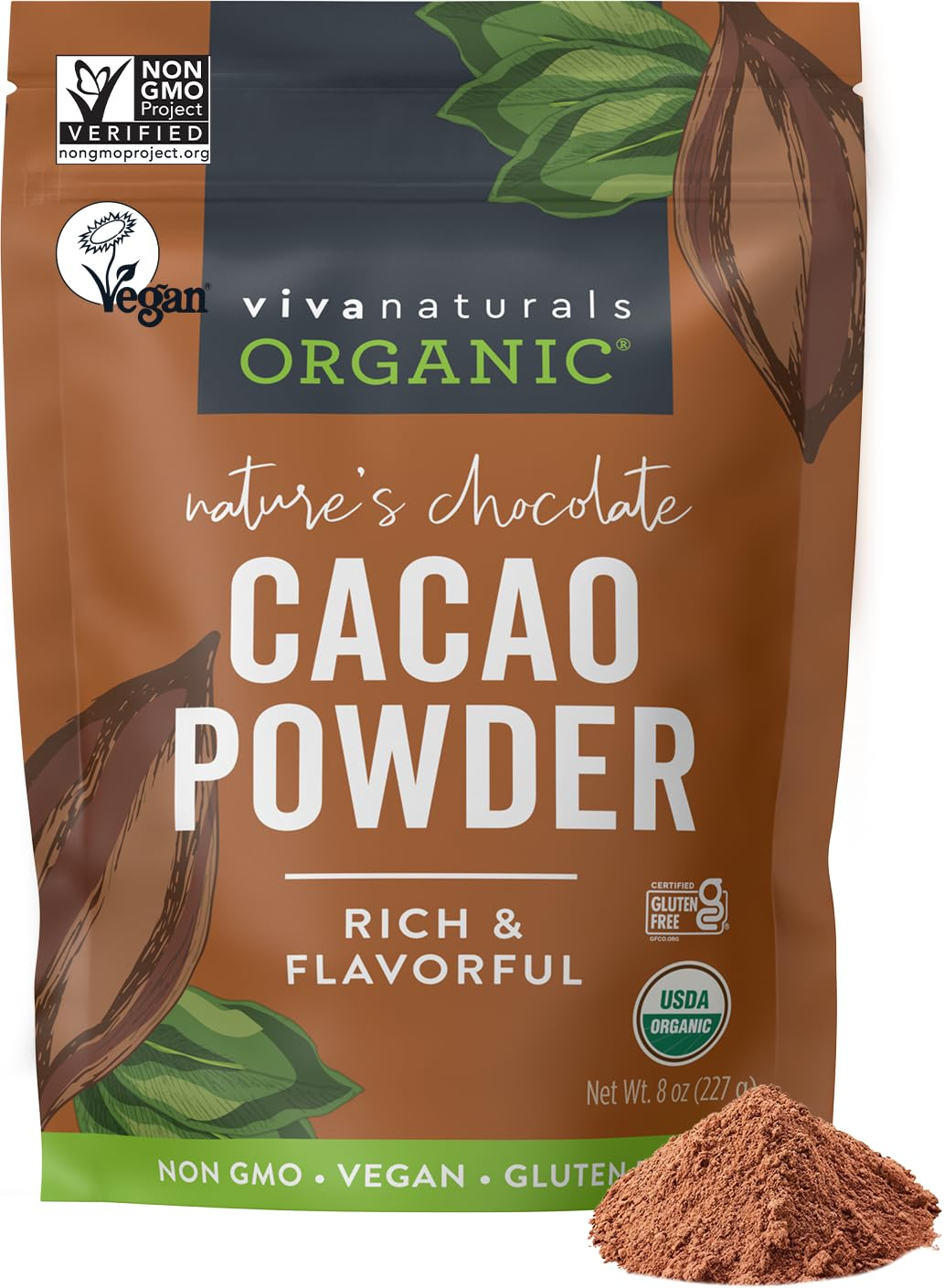
Why it’s great: Organic, non-alkalized, rich flavor, good price per ounce. - Viva Natural Organic
Why it’s great: Smooth texture, great for smoothies and baking. - NOW Foods Organic Raw Cacao Powder
Why it’s great: Affordable, widely trusted supplement brand.
Higher Flavanol/Heart Health Focused
-
Cocoa dynamics High Flavanol
Budget-Friendly Organic Options
- Vital Purple High Flavanol
-
Equal exchange Organic
Why it’s great: Fair Trade certified, affordable, good antioxidant content. -
Swanson Certified Cocoa Powder
Why it’s great: Simple, no-frills option for everyday use.

Which Cocoa Powder Should You Choose?
If you want:
-
Organic + versatile for smoothies & baking → Navitas Organics
-
High flavanol for heart support → CocoaVia
-
Budget-friendly but clean → Equal Exchange
Quick Checklist: The Healthiest Cocoa Powder
Before buying, make sure your cocoa powder:
- ✔ Is natural (non-Dutch processed)
- ✔ Contains only cocoa as the ingredient
- ✔ Has no added sugar
- ✔ Is organic, if possible
- ✔ Is high in fiber and flavanols
- ✔ Comes from a transparent, reputable brand
How to Use Cocoa Powder for Maximum Benefits
To get the most from your cocoa powder:
- Stir it into warm plant-based milk
- Add it to oatmeal, smoothies, or yogurt
- Pair with natural sweeteners like raw honey or maple syrup
- Combine with cinnamon or vanilla for extra antioxidant support
I love stirring a spoonful into warm milk in the evenings. It feels indulgent, but it’s actually supporting heart and brain health at the same time.

Bring it all in
The healthiest cocoa powder is simple, pure, and minimally processed. By choosing natural, high-quality cocoa, you’re not just improving flavor, you’re supporting your body with one of nature’s most powerful plant foods.
A small upgrade in your pantry can make a meaningful difference in your wellness routine.
If you’re ready to upgrade your pantry with a clean, Fair Trade organic cocoa, you can check out the Equal Exchange option I recommend here.