

From the earliest pages of Scripture, honey in the Bible has been a symbol of sweetness, abundance, and divine blessing. More than just a natural food, it carried spiritual meaning—a reminder of God’s goodness that nourishes both body and soul.
Today, science confirms what Scripture long hinted: honey is both nourishment and medicine. Packed with natural enzymes, antioxidants, and polyphenols, it supports heart health, aids digestion, and helps the body heal.
Curious how to spot real, high-quality honey?
This guide will show you how to choose raw honey, understand its modern nutritional power, and make it part of your daily table. Blending biblical wisdom with practical health tips.
✣

The Sweet Symbol of Scripture
In ancient times, honey wasn’t just food. It was a treasure, a symbol of God’s promises and the sweetness of living in His ways.
Honey didn’t just sweeten meals. It reminded God’s people that His word nourishes the soul with joy, wisdom, and refreshment.
Even before science could explain it, people knew honey’s value. They saw that it nourished the body, gave energy, and even helped wounds heal.
Its natural sweetness, long shelf life, and restorative qualities made it a prized food, while its connection to God’s blessings added deep spiritual meaning.
Read More: Daniel Fast | The Science Behind Plant-Based Eating

Not all honey is created equal. I have learned that some of the prettiest jars on the shelf are not as pure as they look. Many are heated, filtered, or even mixed with corn syrup, losing the natural enzymes and nutrients that make honey so healing.
That’s why I started paying more attention. Reading labels, buying local, and tasting the difference for myself. Real honey doesn’t taste better; it feels different—richer, earthier, and alive.
Here’s how to spot real, high-quality honey when shopping:
- Check the Label
Look for words like “raw,” “unfiltered,” and “unpasteurized.”
These mean the honey hasn’t been stripped of its natural pollen or nutrients.
Avoid anything labeled “honey blend” or “made with honey,” which often means it’s diluted with added sugars.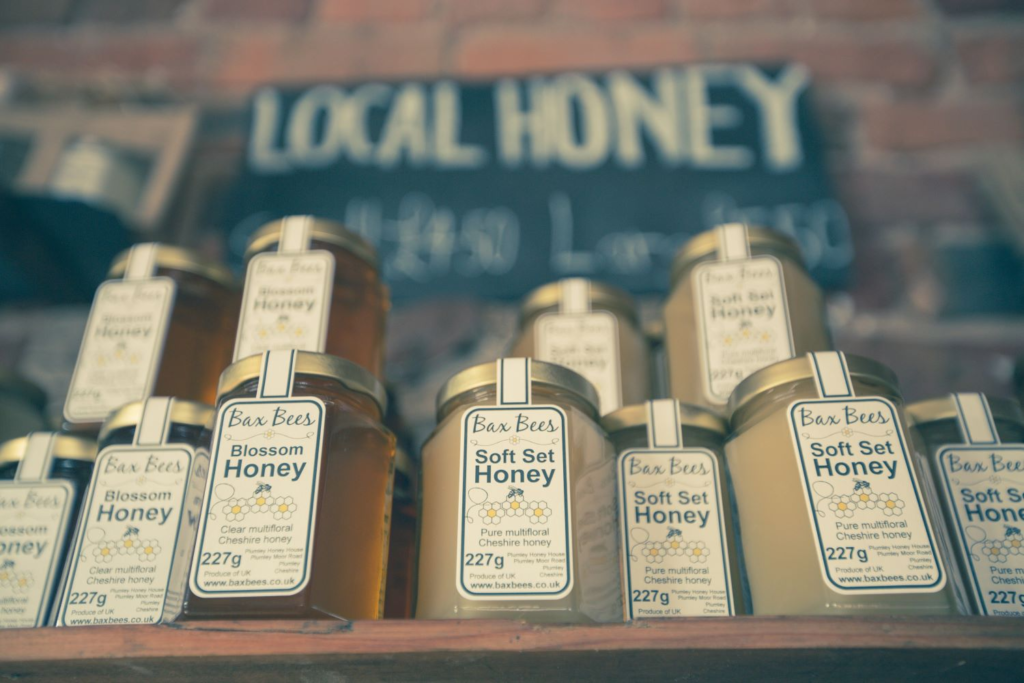
- Choose Local or Single-Source Honey
Local honey often comes straight from nearby beekeepers and retains natural enzymes.
It may even help with seasonal allergies because it contains traces of local pollen.
Single-source varieties, like wildflower or Manuka, are also signs of purity. - Notice the Texture and Color
Pure honey may crystallize over time, and that’s a good sign!
It means it hasn’t been overheated or refined.
Processed honey tends to stay perfectly clear and runny forever, which can signal heavy filtration.
- Look for Trusted Certifications
For medicinal honeys, look for a UMF (Unique Manuka Factor) or MGO rating.
Some brands also carry True Source Certified or Organic seals, showing their honey was ethically and transparently sourced. - Support Local Beekeepers
Buying from farmer’s markets or small honey producers not only gives you fresher, purer honey. It also supports the hands that keep our pollinators thriving
Read More: The Ultimate Guide to Holistic Living
The Modern Nutritional Benefits of Honey for Health and Healing
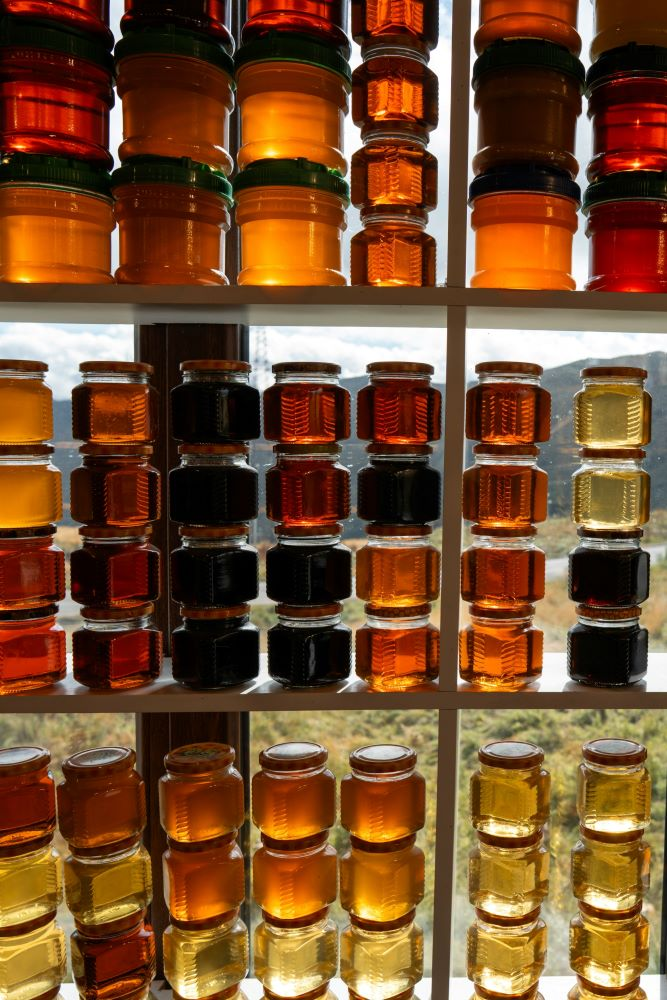
It is beautiful how modern science keeps uncovering what Scripture already showed that honey is both nourishment and medicine. Behind its golden glow are natural compounds that work in harmony with the body, just as God designed.-
How Honey Heals
Inside every spoonful of raw honey are more than 200 natural compounds. A blend of enzymes, minerals, amino acids, and antioxidants that help the body renew itself.
These nutrients strengthen immunity, protect the heart, and help the body renew itself.
Raw honey is especially rich in polyphenols, powerful antioxidants that protect your cells from stress and support heart health.
Even medicinal-grade honeys, like Manuka, are used in hospitals today for their antibacterial and anti-inflammatory effects helping wounds and burns heal naturally. -
Why Raw is Best
Not all honey is created equal. When honey is heated or over processed, many of its healing enzymes and nutrients are lost.
Raw honey, however, keeps its living goodness intact. It helps balance the body’s natural bacteria, supports healthy digestion, and even calms the gut.
A small spoonful a day is a gentle way to nourish your body and a sweet reminder that simple, natural things often carry the deepest benefits. -
Sweetness with Purpose
Unlike refined sugar, which gives a quick rush and crash, honey offers steady energy and trace nutrients that strengthen instead of deplete.
It’s nature’s sweetener with purpose designed to bring balance, not burden.
Read More: Biblical Foods that Science Proves are Healthy

Read More: The Ultimate Guide to Self-Care
Bringing it all together
Honey heals the body much like God’s Word heals the soul. It restores what’s tired, strengthens what’s weak, and adds sweetness to the journey. Just as the Bible describes honey as a sign of God’s goodness, modern science confirms what Scripture long hinted: raw honey’s enzymes, antioxidants, and polyphenols protect the body , support heart health, and aid digestion.


Including a small spoonful of raw honey in your daily table isn’t just a treat. It’s nourishment with purpose. You can stir it into morning tea, drizzle it over oatmeal, or enjoy a spoonful as a simple, daily reminder of God’s goodness.