
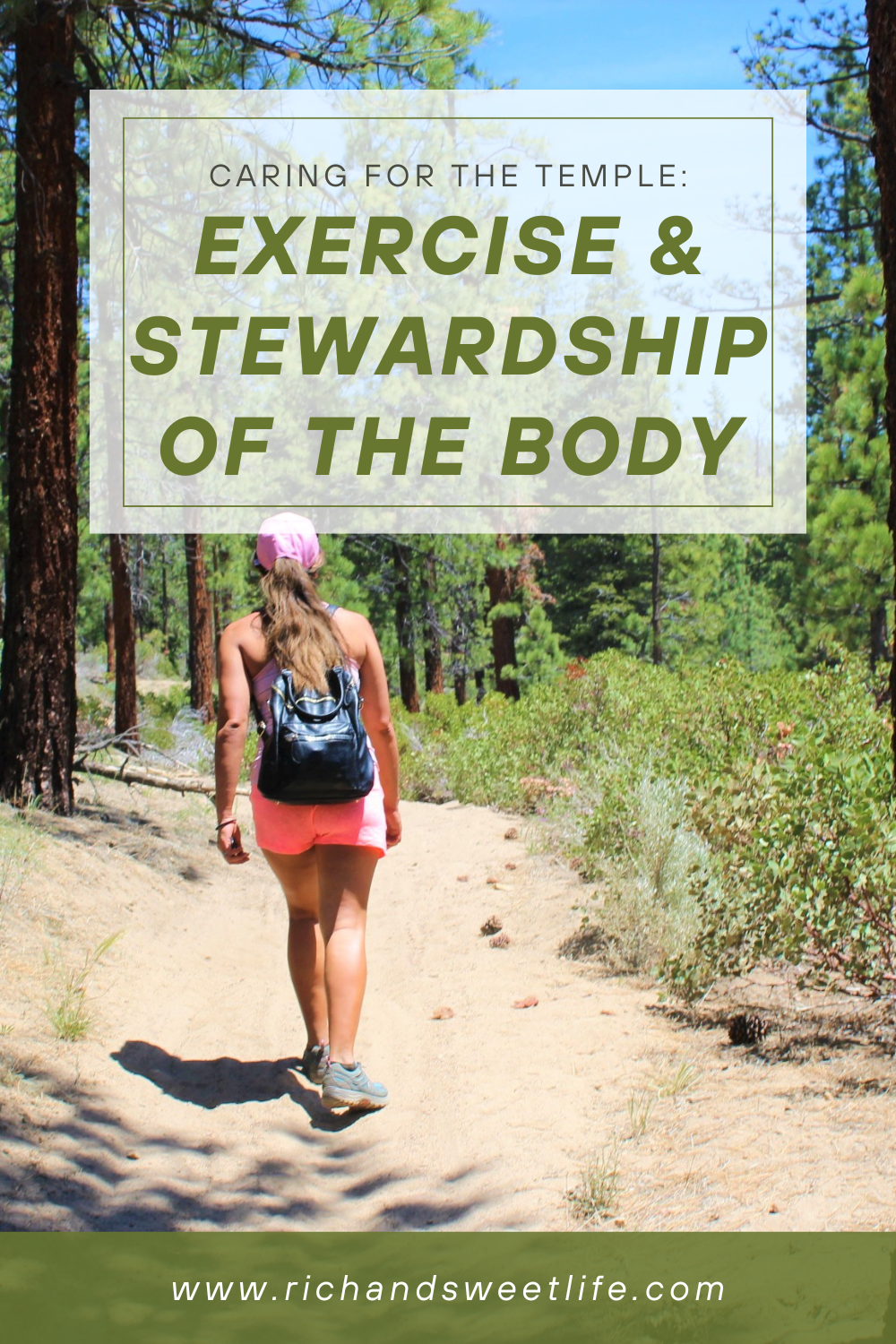
Many Christians may not realize that physical fitness is more than just exercise. It is a meaningful way to care for their health and honor their bodies as God’s temple.
Caring for the temple is more than a phrase. It is a mindset. Our bodies are sacred gifts that allow us to experience life fully. By moving with purpose, nourishing ourselves, and tending to our well-being, we practice true stewardship and express gratitude for the life we’ve been given.
Here’s my take on caring for your body as God’s temple with simple, mindful habits.

The Body as a Temple
In 1 Corinthians 6:19-20, we’re reminded that our bodies are temples of the Holy spirit, bought by Christ’s sacrifice. I like to think of our body as a sacred space where God’s Spirit dwells.
Just like any temple, it needs care to function at its best. Eating nutrient-rich foods, getting sufficient sleep, and staying active supports your body’s natural systems – boosting energy, strengthening immunity, and keeping your mind sharp.
Caring for your body is not just about health; it is also an act of stewardship and worship. When you treat your body well, you’re honoring the gift God gave you while living fully, feeling vibrant, and embracing life with purpose.

Exercise as an Act of Stewardship
I have learned that many fitness goals fail because we often lack a purpose deeper than just wanting results. Exercise and proper nutrition take consistent effort, and science shows that regular activity strengthens muscles, improves heart health, boosts endurance, and releases endorphins that enhance mood and mental resilience.
In addition, exercise strengthens not only our body but also the mind and spirit. Whether it’s a brisk walk, a few minutes of stretching, or a full workout, each intentional movement becomes a small act of gratitude.
Every workout becomes a way to honor God while preparing my body, mind, and spirit to show up fully in every area of life.
Practical Ways to Move with Purpose
Moving each day is my way of caring for the body God entrusted to me—energizing my body, calming my mind, and grounding my spirit. I have learned that showing up regularly, even in small ways, is far more effective than occasional intense workouts.
Here are actionable tips to help make movement a habit:
- Morning Stretch or Yoga: 5–10 minutes each morning gently wakes up your body and mind.
- Take the Stairs: Small daily choices like stairs strengthen legs and boost circulation over time.
- Walking Meetings: Turn short calls or meetings into walks to keep moving consistently.
- Active Breaks: Stand, stretch, or do light exercises every hour to maintain energy and focus.
- Household Chores: Cleaning, gardening, or organizing adds consistent movement throughout your day.
- Park or Nature Walks: Regular walks outdoors improve mood, cardiovascular health, and vitamin D levels.
- Evening Movement Routine: A short walk or gentle exercise each evening helps relieve stress and promotes better sleep.
Our brains form habits through repeated actions. Each time we consistently perform a behavior, neural pathways strengthen, making the action easier and more automatic.
Science shows that it typically takes 21 to 66 days of consistent practice for a new habit to form, which is why small, regular movements can gradually and naturally become part of your daily routine.
Read More: The Ultimate Guide to holistic Living
Nourishing the Temple Beyond Exercise
A holistic approach to health nurtures body, mind, and spirit, going beyond workouts and diet. Science shows our well-being thrives when all these areas are cared for, and Scripture reminds us of our bodies are temples honoring God.

Optimal health does not come from nutrition alone. Our
bodies and minds thrive when we adopt complementary habits. Complementary
habits are daily practices that enhance the benefits of nutrition and help our
bodies and minds function at their best.
Complementary Habits: Sleep, Nutrition, Hydration, and Stress Management
- Sleep: Set boundaries – avoid caffeine for 10 hours, food/alcohol 3 hours, and work 2 hours before bed. Keep work separate, limit screens 1 hour before sleep, and skip the snooze button.
- Hydration: Aim for half your body weight in ounces daily. Include water, herbal teas, broths, seltzers, and hydrating fruits like melons and cucumbers.
- Nutrition: Eat whole, nutrient-dense foods—fruits, vegetables, lean proteins, whole grains, and healthy fats—for steady energy and balanced blood sugar.
- Stress Management: Start with gratitude and mindful pauses. Embrace flexibility and cultivate routines that nurture body, mind, and spirit.
When you weave these habits into your daily routine, each choice becomes a building block for a balanced, energized, and joyful life. Eating well, resting well, hydrating and managing stress are not separate tasks. They are interconnected practices that help your body, mind, and spirit flourish together.
Viewed through the lens of holistic stewardship, caring for your health is an act of responsibility and gratitude. You are nurturing the life and temple God has entrusted to you.
Every mindful choice, what you eat, how you rest, and how you manage stress is an intentional step toward flourishing in body, mind, and spirit.


Mindset Shift: From Obligation
to Celebration
Too often, we approach health, nutrition, and self-care as obligations. Things we “have” to do rather than “get” to do. I have felt it myself: even simple habits can feel like chores when approached this way.
Science shows that our mindset shapes motivation and consistency, and Scripture reminds us that Jesus, though called a man of sorrows (Isaiah 53:3), also embraced joy and celebration. Imagine yourself in the scenes of His miracles: the wedding at Cana, feeding the 5000, or walking with His friends. Moments of laughter, gratitude, and delight.
Shifting to a celebration mindset transforms daily habits into ways to honor the temple God entrusted us.
Practical Tips for a Celebration Mindset:
· Start small: Focus on what you can do, not what you should do.
· Savor the benefits: Pause to notice the positive impact of each habit.
· Celebrate progress: Acknowledge milestones, even tiny wins.
By celebrating our daily practices, self-care becomes a joyful act of stewardship for body, mind, and spirit.


Bringing it all together
Caring for your body as God’s temple is a journey, not a checklist. Each intentional choice like moving with purpose, nourishing your body, resting well, staying hydrated, and managing stress is an act of gratitude, stewardship, and celebration.
Therefore, when you shift your mindset from obligation to joy, self-care becomes a powerful way to honor God, strengthen your body, and nurture your mind and spirit.
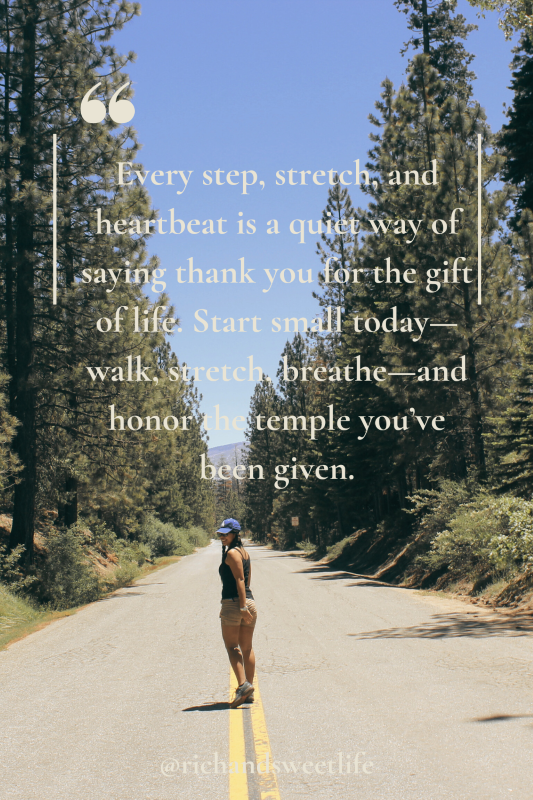
Start small today. Pick one habit – whether it is a morning stretch, drinking more water, or taking a mindful pause, and approach it with intention and gratitude. Notice how it makes you feel and celebrate even the tiniest progress.
By integrating these habits into your daily life, you are not just caring for your body, you are living fully, flourishing in every part of your life, and honoring the temple of God has entrusted you.
Good advice… ty